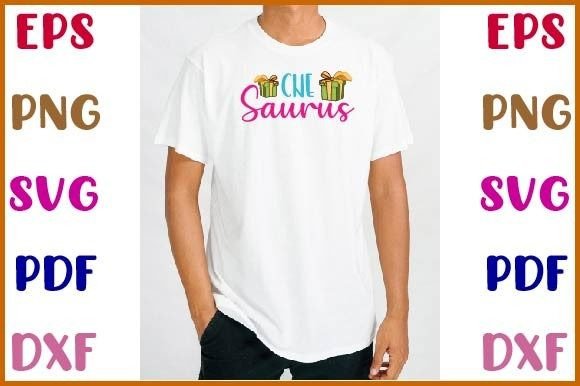
Cne Saurus SVG Design Review: Dog-Themed Embroidery in Action
I recently had a client ask for something playful but not childish — a custom tote bag for her daily dog park visits. She wanted a design that felt personal, recognizable, and sturdy enough to hold up on canvas. That is when I pulled up the Cne Saurus Svg file and started thinking about how it would translate from a digital cutting file into a finished embroidery project. After working through several test stitches and a few product runs, I have a clear sense of what this design offers for makers, small shop owners, and anyone who sells or gifts custom apparel. Here is my honest take on using it in real work.
First Impressions of the Cne Saurus SVG Design
The Cne Saurus Svg has a clever, playful mood right from the start. The name suggests a dog with a bit of prehistoric personality, and the visual follows through — bold lines, a friendly expression, and a silhouette that reads clearly even from a few feet away. For an embroidery designer, that clarity is the first thing I look for. If a design is muddy or overly detailed at the preview stage, it will only get worse once thread hits fabric. This design avoids that trap. The shape is confident, the theme is warm and humorous, and the layout feels balanced for custom apparel and handmade product applications.
Because the file arrives as AI, SVG, EPS, DXF, JPEG, and PNG, it works across both cutting and embroidery workflows. That flexibility matters when you are running a craft business and need to move between machines, software, and project types. The visual personality leans toward a loyal, slightly goofy companion — the kind of image that makes people smile without feeling cartoonish. That tone works well for pet lovers, dog breed enthusiasts, and anyone looking for a personalized gift with character.
How Cne Saurus Svg Performs on Real Projects
I test every new design on at least three different fabric types before I offer it in my shop. For the Cne Saurus Svg, I stitched it onto a cotton tote bag, a medium-weight sweatshirt, and a denim apron. Across all three, the shape held its integrity well. The outline is clean enough that a satin stitch along the edges gives a polished, professional finish. The interior areas that call for fill stitch or running stitch details do not fight the fabric — they sit flat and move with the garment.
On the tote bag, the design looked natural and sturdy. Fabric texture on canvas actually helped the stitches feel more dimensional. On the sweatshirt, the design softened nicely against the fleece without losing its edge. That is a tricky balance. Many designs either get swallowed by the nap of the fabric or look too stiff. This one landed in the middle — readable and comfortable.
On Custom Apparel and Tote Bags
If you are an Etsy seller or run a small shop product line, you know that repeatability matters. I stitched the Cne Saurus Svg onto three different hoodie colors — black, gray, and cream — and the contrast remained strong each time. The design does not rely on extremely fine lines, so it survives thread color changes without losing its personality. For sweatshirt embroidery and baby embroidery projects, the friendly face and simple composition make it easy to pair with other small accents like paw prints or names.
Patches and Decorative Accents
I also ran a test as an embroidered patch on twill fabric. The shape trimmed cleanly, and the edges stitched over without puckering. That is important if you sell patches separately or want to offer them as add-ons in your shop. The stitch density felt appropriate for a standalone piece — dense enough to look solid, but not so heavy that it distorts the fabric. For commercial embroidery orders where you might run fifty pieces at once, that kind of consistency saves time and reduces tension headaches with the machine.
Where to Exercise Caution with This Design
No design is perfect for every surface, and the Cne Saurus Svg has a few limits worth noting. On very small hoop size setups — think 4x4 or smaller — you will need to check the scaling carefully. The design works best when it has room to breathe. Shrinking it down too much can cause the face details to crowd, especially around the eyes and snout. If you are working with tiny lettering or dense stitch areas on a baby onesie or cap, test it on scrap fabric first.
On curved surfaces like caps, the design sits better if you use a firm stabilizer and minimize stretching. The shape is not overly wide, so it fits on a standard cap front without wrapping too far around the curve. But if you try to place it on a stretchy fabric like lightweight jersey without proper backing, you might see distortion. That is true for most designs, but the bold outlines here mean any puckering becomes more visible. Use a cutaway stabilizer and a test stitch to confirm the tension.
For dark fabric, the design reads well if you choose a contrasting thread color — bright yellow, white, or a soft pastel works. Avoid dark-on-dark combinations unless you want a subtle tone-on-tone effect. The same caution applies to layered garments like jackets with thick seams. The design has enough internal space that it does not force you into awkward stitch paths, but always check the seam allowance before you hoop.
Making the Design Shine in Your Embroidery Work
The Cne Saurus Svg rewards a few simple choices. First, use a good thread color palette that matches the mood of the dog. Browns, tans, grays, and blacks all read naturally. If you want a more whimsical look, try a blue or green outline with a lighter fill. The design is flexible enough to handle both realistic and playful color schemes. Second, pay attention to fabric texture. On smooth cotton or linen, the details stay crisp. On textured fabrics like fleece or terry, the design softens in a way that still looks intentional — just avoid tiny scaling.
I also recommend testing the design in black and white mockups before you commit to thread. That helps you see the silhouette clearly and catch any areas where the shapes merge. Many digital embroidery file sellers skip this step, but it makes a real difference in how the final product reads from across a room. The Cne Saurus Svg passed this test well. The head shape, ears, and body lines remain distinct even without color cues. For printable mockup presentations on your Etsy listing or social media, that clarity translates into better buyer confidence.
Practical Notes for Embroidery Designers
Before you sew this design into a finished product, here are a few steps I always take. First, open the SVG in your embroidery software and check the path directions. Some SVG files import with reversed paths, which can cause issues when you generate stitch data. Second, confirm the hoop size you plan to use and adjust the scale in your software rather than on the machine. Third, run a test stitch on scrap fabric that matches the weight of your final product. That is the only way to catch tension problems, thread breaks, or unexpected pull.
If you are selling the finished product or using the design for commercial embroidery, check the license terms that came with your purchase. The file is described as ready to use with major electronic cutting machines, but always verify whether the license covers design assets used on physical goods for sale. Many SVG sellers allow commercial use of finished items, but the terms vary. I keep a folder of license confirmations for every file I buy — it protects both my craft business and my reputation with buyers.
For applique design work, the Cne Saurus Svg works well because the shapes are not overly intricate. You can cut fabric pieces from the SVG layers and layer them with a satin stitch border. Just be careful with stitch density in the eyes and nose — those small areas can become too dense if you use a heavy fill. A combination of fill stitch for the body and satin stitch for the outline gives a clean, professional look that customers notice.
The Verdict for Craft Business Owners
The Cne Saurus Svg earns a solid place in my active design library. It is not a hyper-detailed illustration that fights the embroidery process. It is a thoughtful, character-driven design that respects the limits of thread and fabric. For embroidery designers, small shop product creators, and handmade product sellers, it offers a reliable, repeatable result that customers respond to. The dog theme has broad appeal, and the visual personality feels fresh without being trendy in a way that dates quickly.
If you are an Etsy seller looking for a design that works on tote bag design, sweatshirt embroidery, or baby embroidery, this is worth testing. Add it to your digital embroidery file collection, run a few test stitches, and see how it fits your brand. The file formats — AI, SVG, EPS, DXF, JPEG, PNG — give you flexibility to use it across design assets for both physical products and printable mockup listings. Just keep the scaling reasonable, choose your thread colors with confidence, and always test before you sew a full order. That approach turns a good design into a reliable product your customers will love.