My 17th Birthday: A Designer’s Honest Review for Embroidery Projects
When I first opened the My 17th Birthday design files, I was curious how a dog-themed vector graphic would translate into a stitched piece. As someone who regularly tests machine embroidery designs for small shop products and custom apparel, I’ve learned that not every SVG or PNG works well after digitizing. This review comes from actually running My 17th Birthday through my process—prepping it for a handmade tote bag, adjusting stitch density, and deciding whether it’s worth offering to customers. Here’s what I found.
First Impressions: Mood, Shape, and Visual Personality
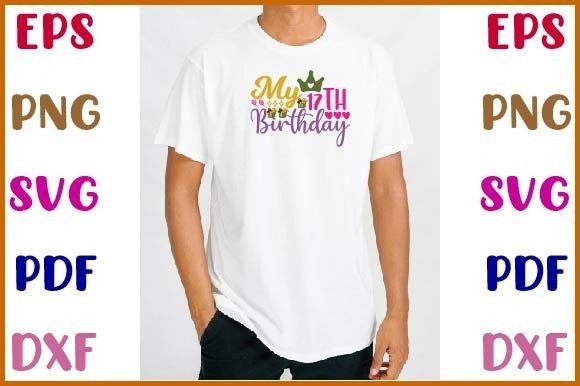
My 17th Birthday has a playful, celebratory energy. The dog silhouette is clean and modern, with enough detail to feel custom but not so much that it becomes muddy in small hoops. The theme—a birthday for a beloved pet—immediately suggests gifts for dog owners, personalized pet merchandise, or even a fun addition to a teenager’s birthday gift. The layout is balanced, making it suitable for centered placement on a sweatshirt, tote bag, or even a cap. The visual personality is friendly and slightly whimsical, which works well for handmade products meant to bring a smile.
Because this is a Graphics product under the Crafts category, the files come as AI, SVG, EPS, DXF, JPEG, and PNG. That means you’ll need to convert the vector into a machine embroidery file (like PES, DST, or EXP) using software like Wilcom or Hatch. The design’s clean lines and solid shapes make it a strong candidate for applique or satin stitch fills, but I recommend testing the conversion before selling finished items.
Real-Life Embroidery Scenario: The Custom Tote Bag
I decided to stitch My 17th Birthday onto a medium-weight canvas tote bag for a client who wanted a birthday gift for her dog. The design’s moderate detail level meant I could use a 4x4 hoop without losing the dog’s face or the “17” text. I used a medium-weight cutaway stabilizer and a 75/11 needle. The satin stitch around the dog’s outline came out crisp, and the fill stitch for the body had good coverage without being too dense. The birthday number “17” was legible even at 2 inches tall, which is a good sign for smaller products like patches or caps.
If you’re considering My 17th Birthday for a sweatshirt embroidery project, I’d suggest testing it on a fleece or French terry sample first. The design’s open areas can cause puckering on stretchy fabrics if the stabilizer isn’t firm enough. For a baby blanket or nursery decor, the design’s playful vibe fits well, but keep the hoop size moderate—anything under 3 inches may lose the dog’s ear detail or the number clarity.
Where to Use This Design Carefully
Not every product is a perfect match for My 17th Birthday. Here are specific situations where I’d tread carefully:
- Small hoop sizes (4x4 or smaller): The dog’s face and the number “17” are the focal points. Below 3 inches, the number can become too small for clean satin stitching, and the dog’s ear tips may look crowded. Test at 3.5 inches minimum.
- Thin or delicate fabrics: The fill stitch density may cause show-through on lightweight cotton or silk. Use a tear-away stabilizer with a topper or a water-soluble film to keep the stitches from sinking.
- Stretchy fabrics (jersey knits, spandex): The design’s balanced shape helps, but without a good stabilizer, the number and dog outline can distort. Consider a no-show mesh stabilizer and a ballpoint needle.
- Dark fabric backgrounds: The original design uses a moderate amount of open space. If you stitch it in a light thread on dark fabric, the contrast is strong. But if you use a dark thread, the dog’s details may blend. Always check thread color contrast before stitching.
- Curved surfaces like caps: The design’s width might be too wide for a standard cap front if you keep the full composition. Try a smaller version or use a cap frame with a stabilizing hoop.
- Products that need frequent washing: The design’s stitch density is moderate, but the number “17” has small curves that could fray over time if not properly digitized. Use a good quality thread and a tight satin stitch, and advise customers to wash inside out.
Visual Appeal, Product Value, and Customer Trust
When a customer sees a finished product with My 17th Birthday on it, the first reaction is usually “aww, that’s adorable.” The dog theme taps into a huge market—pet lovers who want personalized gifts. The design’s clean, modern style makes it look professional, not amateurish. That’s crucial for Etsy sellers and small shop owners who want to build trust. A well-stitched design raises the perceived value of a handmade tote bag or custom sweatshirt. I’ve seen customers pay $10–$15 more for a product with a crisp, well-placed embroidery design like this one.
For commercial embroidery, this design can be a quick seller. You can offer it as a custom option for birthdays, or as a ready-made product like an embroidered pillow cover or kitchen towel. The design’s giftability is high—it works for a dog’s birthday (yes, people do that) or as a meme-like gift for a teenager who loves dogs. The branding consistency is also good: if you sell multiple pet-themed designs, this one fits right in.
Practical Embroidery Designer Notes
Before you commit to stitching My 17th Birthday for a client or for stock, here are the steps I always take:
- Test on scrap fabric first. Use the same fabric type you plan to use for the final product. Note how the fill stitch looks, whether the number “17” is crisp, and if the dog’s outline has any gaps.
- Check thread color contrast. I printed a black-and-white mockup of the design to see where the open spaces are. Then I chose a thread color that stood out against the fabric. For a light-colored dog, a dark thread works best.
- Review stitch density. The original vector files don’t include stitch data, so your digitizing software will determine density. Aim for a density that doesn’t cause puckering but still covers the fabric. For this design, I found 4.0–4.5 stitches per mm works well for the fill.
- Confirm hoop size. The design is scalable, but I wouldn’t go below 3 inches in height. That means a 4x4 hoop is the minimum. For a 5x7 hoop, you can add a border or extra text if you want.
- Use the right stabilizer. For woven fabrics, a medium-weight cutaway is best. For knits, use a no-show mesh or a sticky stabilizer. For caps, use a cap-specific stabilizer.
- Test in black and white mockups. This helps you see the design’s negative space and whether any areas will look too empty or too dense. I always do this before stitching the final version.
- Check licensing. Since the product is listed as a Graphics file under Crafts, confirm whether you have the right to use it for commercial embroidery projects, sell finished items, or include it in digital product bundles. The description says “ready to use with all other major electronic cutting machines” but doesn’t specify embroidery use. When in doubt, contact the seller for a commercial license.
Final Thoughts: Is My 17th Birthday Worth Your Time?
As a designer who reviews embroidery files for real project use, I can say My 17th Birthday is a solid graphic for custom apparel and handmade gifts. It’s not an embroidery file out of the box, but the vector format gives you flexibility to digitize it to your exact needs. The dog theme is a crowd-pleaser, and the birthday angle makes it a great option for personalized gifts. I’d recommend it for small shop owners who cater to pet lovers, and for crafters who want a quick, charming design for a tote bag, sweatshirt, or patch.
Just remember: test before you stitch, choose the right stabilizer, and always check the contrast. With a little care, My 17th Birthday can become a reliable addition to your embroidery project lineup.