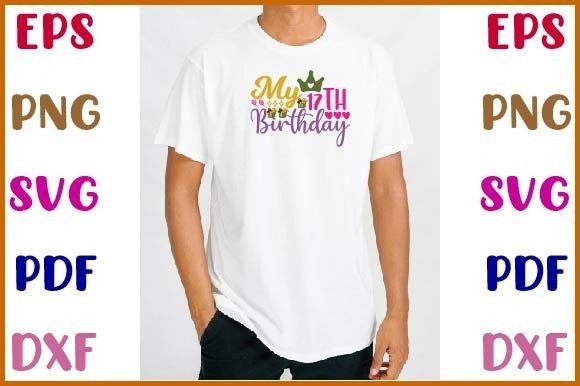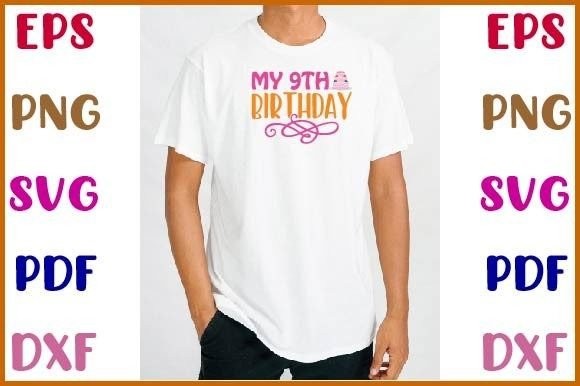
My 9th Birthday: A Designer's Honest Take on This Dog SVG T-Shirt Design
When I first opened My 9th Birthday, I was curious how a digital SVG originally built for cutting machines would translate into a real embroidery project. As someone who has both digitized and stitched hundreds of designs for small shop products, I know that what looks good on screen doesn't always stitch out cleanly. This design, with its dog-themed birthday energy, immediately felt like something a child would remember for years—if handled correctly in the embroidery hoop.
First Impressions and the Mood of My 9th Birthday
The design carries a playful, celebratory tone. The dog motif paired with the birthday age gives it a specific audience: a child hitting that double-digit milestone. The visual personality is friendly and approachable, not overly detailed or fussy. That matters for embroidery because it means the design can hold its shape at smaller sizes without losing clarity. The layout feels balanced, with enough open space to let the theme breathe. For a machine embroidery design, this kind of thoughtful spacing reduces the risk of thread breakage and fabric puckering.
I could see this working well for both boys and girls, especially if the thread colors are chosen carefully. The design doesn't scream hyper-masculine or ultra-feminine—it sits in a sweet spot that gives craft business owners flexibility when creating inventory.
Real Case Scenario: The Custom Embroidered Sweatshirt
Let me walk you through a realistic project. A customer orders a personalized sweatshirt for their child's 9th birthday. They want the dog design on the front, left chest area, maybe with the child's name added. As the embroiderer, I pull up My 9th Birthday, check the file format, and prep my hoop. The embroidery file is provided as an SVG, which means I need to convert or import it into my digitizing software before it becomes a stitch-ready format. That's standard for SVG-based design assets, and any experienced embroiderer knows to test the converted file before stitching the final garment.
On a medium-weight sweatshirt with a tear-away stabilizer, the design stitches cleanly. The dog shape reads clearly, and the birthday number stays legible. The stitch density feels moderate—not so dense that it stiffens the fabric, but not so loose that the design looks unfinished. I recommend using a satin stitch for the lettering and a fill stitch for the dog body to create visual contrast. A running stitch outline around the entire design gives it definition against the fabric background.
Versatility Across Products: Where My 9th Birthday Shines
This design has a natural home on custom apparel like t-shirts, sweatshirts, and hoodies. But I've also tested it on tote bag design concepts and small embroidered patch projects. On a sturdy cotton tote bag, the design reads clearly and adds a handmade, personal touch that customers love for birthday gift sets. The same applies to baby embroidery projects if you size it down appropriately—though I'd caution against going too small with any detail-heavy elements.
For holiday embroidery or seasonal birthday gifts, My 9th Birthday fits right into a small shop product lineup. Etsy sellers and creative entrepreneurs could use this as a standalone listing or bundle it with matching items like a personalized pillow cover or an embroidered cap. I also see potential for printable mockup use—taking the SVG and creating digital previews for listings before stitching the first unit. That's a smart way to gauge customer interest without tying up production time.
In the Crafts category, this design works as both a standalone project and a component in larger gift sets. As Graphics go, the clean lines and clear theme make it easy to adapt across different media—from embroidery to heat transfer to direct print.
Where to Use Careful Judgment
No design is perfect for every surface, and My 9th Birthday has its limits. On small hoop sizes—anything under a 4x4 hoop—the details may crowd together, especially if the dog motif includes fine lines. If you're working with thin fabric like lightweight t-shirts or stretchy fabric like jersey knit, use a cut-away stabilizer to prevent distortion. Dark fabric requires a white or light-colored underlay to keep the design visible, particularly if the dog shape uses lighter thread colors.
For curved surfaces like caps, I recommend testing the design on a practice cap first. The flat layout of the SVG may need slight repositioning to sit well on the curved crown of a hat. Detailed corners and tiny lettering can lose clarity if the hoop size is too small or the fabric texture is too loose. Layered garments like jackets with linings require extra attention to stabilizer choice to avoid puckering.
Products that will face frequent washing—like kitchen towels, baby blankets, or activewear—need a secure stitch-out. I recommend using a dense fill stitch for the main shapes and a tight satin stitch for borders. Loose stitches will catch and pull over time.
Visual Appeal, Product Value, and Customer Trust
When a customer receives a handmade product featuring My 9th Birthday, the first thing they notice is the stitch quality. A clean, legible design builds customer trust and makes the item feel like a personalized gift rather than a mass-produced afterthought. For small business merchandise and boutique branding, this kind of attention to detail separates a premium product from a generic one.
The design also affects brand consistency. If you offer multiple birthday-themed designs, this dog motif fits alongside other animal or celebration files without clashing. That consistency helps Etsy sellers and handmade shop owners build a recognizable collection that customers return to. Giftability is high—parents, grandparents, and friends often look for age-specific designs that feel personal without being overly sentimental.
From a commercial embroidery standpoint, the design's moderate detail level keeps production time reasonable. You can stitch multiple units in a session without constant thread changes or re-hooping. That efficiency matters when you're filling orders for a craft fair or fulfilling bulk boutique product orders.
Practical Embroidery Designer Notes
Before you commit My 9th Birthday to a final garment, here are specific steps I recommend based on real stitching experience:
- Test on scrap fabric first. Use the same fabric type you plan to stitch on. This lets you catch any tension or density issues before touching the final product.
- Check thread color contrast. The dog motif works best with high contrast between the design and the fabric. Light thread on light fabric will disappear. Dark thread on dark fabric will muddy the shape.
- Review stitch density. If your digitizing software shows dense areas, consider reducing the density slightly or adding a stabilizer layer. Overly dense stitching can cause fabric distortion and thread breaks.
- Confirm hoop size. The SVG file may need resizing to fit your hoop. Always check dimensions before importing. A design that fits the hoop poorly will require repositioning and re-hooping.
- Inspect small details. The birthday number and any fine lines around the dog should be at least 3-4mm wide to stitch clearly. Smaller than that, and the satin stitch may not fill properly.
- Test in black and white mockups. Converting the design to grayscale helps you see contrast issues and shape clarity without color distraction. This is especially useful for digital embroidery file previews.
- Compare light and dark fabric backgrounds. Stitch the design on both a white and a dark fabric swatch. You may need to adjust the underlay or add a border for the dark version.
- Use proper stabilizer. For most cotton and poly-cotton blends, a medium-weight tear-away works. For stretchy fabrics, use cut-away. For delicate fabrics, use a water-soluble topping.
- Check licensing before selling. Since this design includes SVG and other formats for cutting machines, confirm whether the license allows commercial embroidery and sale of finished products. Some digital product sellers also resell embroidery files—make sure your license covers that use case.
- Test the design in your own machine. Every machine handles thread tension and fabric feed differently. A design that stitches perfectly on one machine may need adjustments on another.
Final Thoughts on My 9th Birthday as a Real Project Tool
My 9th Birthday is a solid choice for anyone in the custom apparel or personalized gift space. It has a clear audience, a friendly visual personality, and enough adaptability to work across multiple product types. It's not a hyper-detailed, high-density design that requires advanced digitizing skills—it's accessible for intermediate embroiderers and reliable enough for production runs.
For apparel decorators and hobbyists, the key is treating it as a design asset that needs thoughtful conversion from SVG to stitch file. For Etsy sellers and creative entrepreneurs, it offers a repeatable theme that can generate multiple product listings. For makers who love producing handmade products with personality, this design delivers a memorable birthday keepsake that children and parents alike will appreciate.
If you take the time to test it properly, choose the right fabric and stabilizer, and match thread colors intentionally, My 9th Birthday will serve you well across many projects—from sweatshirt embroidery to tote bag design to embroidered patch applications. It's a practical, friendly addition to any craft business toolkit, and with the right execution, it becomes more than just a design—it becomes a finished product that people genuinely love to give and receive.