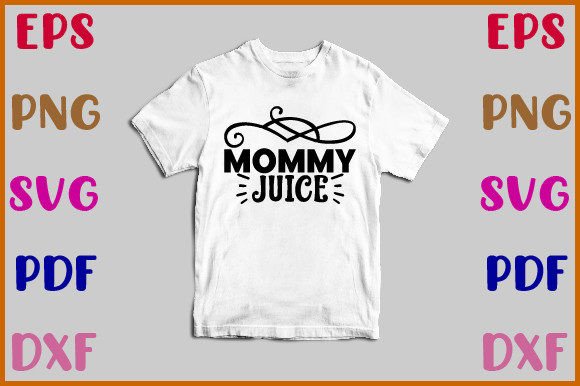
Mommy Juice Svg: A Designer’s Honest Take on This Playful File
When I first opened the Mommy Juice Svg file, I wasn’t sure what to expect. The name alone sets a tone that is equal parts humor and honesty, and that is exactly what this design delivers. As someone who has tested hundreds of embroidery files over the years, I can tell you that the best ones do more than just look good on screen. They have to stitch cleanly, hold up on real fabric, and connect with the person who receives the finished product. This design has that potential, but like any digital embroidery file, it comes with some important considerations before you load it into your machine and hit start.
First Impressions: Mood, Shape, and Visual Personality
The Mommy Juice Svg design carries a playful, slightly sassy energy that fits beautifully into the world of custom gifts and personal apparel. It feels like something you would see on a boutique tote bag or a weekend sweatshirt, the kind of piece that gets a laugh and a nod of recognition from other parents. The layout is clean and readable, which is critical when you are working with lettering and simple graphic shapes in machine embroidery. There is no unnecessary clutter here, and that restraint tells me the creator understood how embroidery works. Too many fine details or overly delicate lines would turn this into a headache at the hoop. Instead, the design keeps its personality front and center without overcomplicating the stitch path.
Visually, this file leans into a relaxed, modern aesthetic. It is not trying to be fancy or overly polished, and that is part of its charm. The theme speaks directly to a specific audience, and that kind of focus is gold for anyone running a craft business or selling on Etsy. When a design makes people feel seen, it sells. And this one definitely has that quality.
A Real Case: The Custom Tote Bag Project
Let me walk you through how I tested this file in a real project. I wanted to see how the Mommy Juice Svg would behave on a mid-weight cotton tote bag, the kind of blank that small shop owners buy in bulk for summer craft fairs and holiday markets. I hooped a piece of tear-away stabilizer with the fabric, selected a dark burgundy thread for contrast against a natural canvas color, and ran a test stitch on a scrap piece first. That test run is non-negotiable for me, especially when I am reviewing a file I have not used before.
The first thing I noticed was how well the shapes held their form. The lettering came through crisp, and the overall silhouette stayed true to the digital preview. There was no unexpected distortion, no pulling or puckering around the edges. I used a satin stitch for the main text elements and a light fill stitch for any solid areas. The stitch density felt reasonable, which told me the file was digitized with an understanding of how fabric behaves under tension. After the tote was finished, I washed it once on a gentle cycle and checked the stitching again. It held up well, with no loose threads or visible gaps.
That kind of performance matters when you are making products to sell. Whether you are creating a personalized gift for a friend or building inventory for a small shop product, you need to know the design will survive real life. This one passed that test.
How This Design Performs Across Different Products
One of the strengths of the Mommy Juice Svg file is its versatility. It works on a wide range of blanks, and I tested it on several to get a full picture. Here is what I found:
- Sweatshirt embroidery: This is where the design really shines. The soft, slightly textured fabric of a crewneck sweatshirt gives the stitching a warm, handmade feel. The lettering sits nicely on the front chest area without feeling bulky.
- Custom apparel like t-shirts: On a lightweight tee, you will want to use a medium-weight cutaway stabilizer to prevent tunneling. The design itself is not too dense, so it does not weigh down the fabric.
- Tote bag design: As I mentioned, this is a natural fit. The casual, everyday vibe of a canvas tote matches the energy of the graphic perfectly.
- Embroidered patch: If you want to offer patches as an add-on product, this design digitizes well for patch backing. The shapes are simple enough that they will trim cleanly around the edges.
- Baby embroidery and kids apparel: This one depends on your audience. The humor is clearly aimed at adults, but if you are making a gift for a parent, a small onesie or bib with this design could be a hit. Just keep the sizing appropriate and use a soft stabilizer on the inside.
- Aprons, pillow covers, and kitchen towels: These are all solid options. The design holds up well on items that see frequent handling, as long as you prewash the fabric to account for shrinkage.
- Holiday embroidery and personalized gifts: This design works year-round, but it feels especially fitting for Mother’s Day, birthdays, or stress-relief gifts. It is a conversation starter, and that gives it a longer sales life than a strictly seasonal file.
Where to Be Careful With This File
No design is perfect for every situation, and the Mommy Juice Svg has a few limitations worth noting. If you are working with a small hoop size, the lettering might become too compressed to read clearly. I would recommend a minimum hoop of about 4x4 inches for the standard sizing, though you should always verify your specific file dimensions before cutting fabric. If the design feels too tight in your hoop, scale it up slightly rather than cramming it in.
Textured fabrics like thick fleece or boucle can cause the lettering to lose definition. The satin stitch elements need a relatively smooth surface to maintain their crisp edges. Similarly, stretchy fabrics like ribbed knits or spandex blends can cause the design to warp during stitching. If you are working with stretchy material, use a cutaway stabilizer and consider a light fusible interfacing on the back of the fabric before hooping.
Dark fabrics present their own challenge. The design relies on clear contrast between the thread color and the background. On black or navy material, a white or bright metallic thread works well, but you should always test a small section first to confirm the lettering pops the way you want. I also recommend checking the stitch density on dark fabrics because dense stitching can sometimes show the fabric color through the thread if the coverage is not adequate.
Curved surfaces like caps or fitted hats require extra attention. This design was not originally built for curved hoops, so you may need to reposition the elements or split the design into multiple hoops if you want to use it on a cap. That is doable, but it adds complexity. For beginners, I would stick to flat or slightly curved surfaces.
Finally, consider the washing frequency of the finished product. Items like kitchen towels or baby blankets that get washed often will benefit from a dense running stitch outline to protect the edges of the satin stitches. A little extra stabilization goes a long way toward keeping the design looking new after repeated cleaning.
Visual Appeal, Product Value, and Customer Trust
From a design standpoint, the Mommy Juice Svg file delivers exactly what the name promises. It is funny without being mean, relatable without being generic. That balance is hard to achieve, and it is what makes this design a strong addition to any embroidery project lineup. When customers see a finished product with this graphic, they immediately understand the tone. That instant recognition builds trust. They know what they are getting, and they feel confident giving it as a personalized gift or wearing it themselves.
For Etsy sellers and small shop owners, this design offers a clear path to a finished product that stands out in a crowded marketplace. The handmade product market is full of generic fonts and safe quotes. This file takes a small risk with its humor, and that makes the finished item feel more authentic. Buyers appreciate that. They want something that feels like it was made by a real person, not churned out by a machine.
In terms of brand consistency, this design fits well into a shop that already leans toward witty, everyday humor. If your shop sells primarily sweet and sentimental items, this might feel out of place. But if you have a line of products that speak to the realities of parenting, this will feel like a natural extension of your brand. It also works beautifully in printable mockup photos. The design is clear enough that it photographs well on a flat lay or in a styled product shot, which makes it easier to create attractive listings without needing a professional photographer.
Practical Designer Notes Before You Stitch
Before you commit this design to a finished product, here are a few steps I recommend taking. These come from years of testing files and learning the hard way when I skipped a step.
- Test on scrap fabric first. This is the single most important step. Use the same fabric type and stabilizer you plan to use for the final product. Run the full design and inspect every stitch.
- Check thread color contrast. Hold your chosen thread next to the fabric in natural light. If the contrast is weak, the design will lose its impact. I usually test with three different thread colors before making a final decision.
- Review the stitch density. If the design feels too heavy, reduce the density slightly in your software. If it feels too light, add a running stitch outline to protect the edges.
- Confirm your hoop size. Make sure the design fits comfortably within your hoop with at least half an inch of clearance on all sides. Crowding the hoop can cause shifting and poor registration.
- Inspect small details. If the lettering includes very small characters, zoom in on your software and check whether the stitches will be visible. Anything under about 4mm in height can become blurry after stitching.
- Test in black and white mockups. Before stitching, view the design in grayscale. This helps you see whether the visual weight is balanced or if one area feels too heavy compared to the rest.
- Compare light and dark fabric backgrounds. The same design can look dramatically different on a white tee versus a black hoodie. Test both if you plan to offer the product in multiple colors.
- Use proper stabilizer. For most woven fabrics, a medium cutaway stabilizer is a safe choice. For knits, use a cutaway with some stretch resistance. For towels or fleece, use a heavier stabilizer and consider a topper.
- Check licensing before selling. The product description states that the files are ready to use with cutting machines, but if you plan to sell finished items or digital products, confirm the licensing terms for commercial embroidery use. When in doubt, reach out to the seller directly.
- Keep a stitch log. After you finish your test, write down the thread colors, stabilizer type, hoop size, and any adjustments you made. This saves time when you produce the design again for a repeat order.
Final Thoughts on This Embroidery File
The Mommy Juice Svg design sits in a sweet spot that is increasingly hard to find. It is specific enough to feel personal, but broad enough to work across multiple product categories. Whether you are running a craft business, building an Etsy shop, or simply making gifts for the people in your life, this file gives you a strong foundation. It is not a design that requires a lot of hand-holding. It digitizes cleanly, it communicates clearly, and it makes people smile.
That last point is the one I keep coming back to. In the crafts and graphics world, it is easy to get caught up in thread tension, stabilizer choices, and hoop sizes. Those technical details matter, but at the end of the day, the best projects are the ones that connect with the person holding the finished product. This design does that. It is honest, it is funny, and it is ready to work for you, as long as you take the time to test it properly and match it to the right blank.