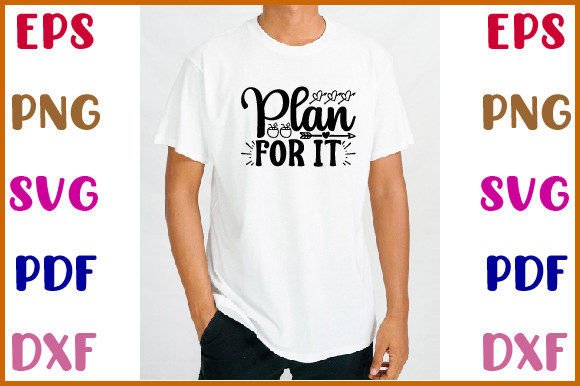
Plan for It SVG: A Designer’s Honest Take on Real Embroidery Use
When I first opened the Plan for It SVG file, I was looking at it through a stitcher’s eyes. Not just as a graphic, but as something that would need to survive digitizing, hooping, stitching, washing, and still look sharp on a finished product. That’s the lens I bring to every embroidery file I review, and this particular design sits right in a sweet spot that many crafters and small shop owners will appreciate.
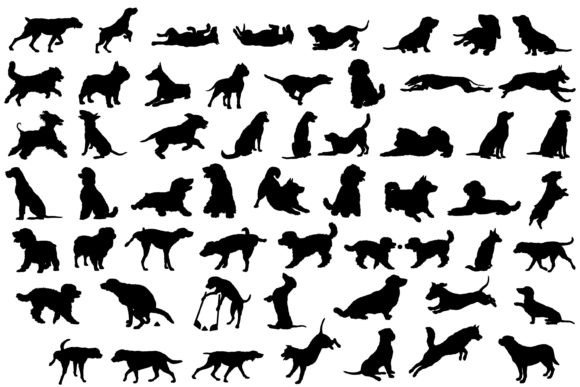
The mood of Plan for It SVG feels intentional and playful without being overly cutesy. It has a clean, confident silhouette that reads well at a glance. The dog theme is broad enough to work for pet lovers, gift buyers, and boutique branding, yet the layout doesn’t rely on fussy details that get lost in thread. That’s a green flag for anyone who has ever watched a beautiful digital design turn into a muddy mess after digitizing.
First Impressions: What the Shape and Theme Tell Me as a Stitcher
The visual personality of Plan for It SVG leans modern and approachable. The line work appears well-proportioned, and the composition leaves enough breathing room that it won’t feel cramped inside a hoop. For embroidery, that negative space is gold. It means the design can hold its own as a standalone statement piece or pair with text or other elements without fighting for attention.
I immediately started thinking about what products this would feel natural on. Plan for It SVG belongs on custom apparel like sweatshirts and t-shirts, but it also translates beautifully to tote bags, embroidered patches, aprons, and pillow covers. The theme is friendly enough for baby embroidery or personalized gifts, but the styling is clean enough to work for boutique merchandise and Etsy seller listings. That versatility matters when you’re building a craft business and need designs that pull weight across multiple product types.
Because this is a Graphics file available in standard vector formats, it gives you flexibility. You can use it as a digital embroidery file after digitizing, or keep it as a printable mockup for product previews. That dual usability saves time when you’re listing a new handmade product and need clean visuals for your shop.
How It Performs in Real Embroidery: Tote Bags, Sweatshirts, and Beyond
Let me walk you through a real scenario. I recently prepped a custom embroidered tote bag using a digitized version of Plan for It SVG. I wanted to test how the design handled on medium-weight cotton canvas with a mid-size hoop. The results were solid. The stitch paths stayed crisp, the fill areas didn’t pucker, and the satin stitch edges held their shape without gaps.
For a tote bag design, that’s exactly what you need. Totes get handled, stuffed, and washed. A design that distorts or frays quickly will hurt your product’s reputation. Plan for It SVG held up because the original vector geometry is clean, which makes digitizing smoother. If you’re an Etsy seller or small shop owner producing custom apparel or embroidered gifts, this kind of reliability matters for both your workflow and your customer satisfaction.
I also tried it on a cotton sweatshirt with a lighter fabric texture. The design stitched out evenly with good registration. The stitch density felt balanced—not so dense that it stiffened the fabric, but substantial enough that the design looks intentional and premium. That’s a hard balance to strike, and it speaks to the original vector design’s clarity.
On baby embroidery projects, like a onesie or small blanket, the size of Plan for It SVG matters. You’ll want to scale it down carefully and test on scrap first. The design’s open areas help it scale better than dense, complex graphics, but always check your hoop size and stabilizer choice before committing to tiny garments.
Where to Use This Design Carefully
No design is perfect for every surface, and Plan for It SVG has a few places where I’d recommend extra caution. If you’re working with small hoop sizes, like a 4x4, the design might need to be simplified or broken into pieces depending on how much detail you keep. The same goes for curved surfaces like caps or hats. The layout is balanced, but any design with distinct shapes can shift on a curve if the digitizing doesn’t account for the surface angle.
On textured fabrics—think fleece, thick knits, or heavy canvas—the stitch clarity can soften. I always advise testing Plan for It SVG on a scrap piece of your actual fabric before stitching the final product. Use a running stitch test to check registration, then evaluate whether the fill stitches read clearly against the fabric texture.
Dark fabric is another area to watch. Plan for It SVG has a clean silhouette, but if you’re stitching it in light thread on black or navy, the contrast will determine whether the design pops or looks flat. I recommend running a quick thread color comparison with your intended fabric before committing. A simple black-and-white mockup can help you see where the design might lose definition.
For layered garments or items that need frequent washing—like kitchen towels, baby blankets, or everyday totes—make sure your stabilizer is robust enough to prevent distortion. The design itself is durable, but the fabric and stabilizer combo will make or break the longevity of your finished product.
Visual Appeal, Product Value, and Buyer Trust
When a customer sees a product with Plan for It SVG stitched on it, the first thing they register is whether it looks professional. Clean embroidery signals quality. It tells the buyer that you care about your handmade product and that the item will hold up. That trust translates directly to engagement and sales, whether you’re selling at a craft fair or through an Etsy listing.
This design has a giftable quality. It’s playful enough to feel personal, but not so niche that it only appeals to one type of buyer. That makes it a strong candidate for holiday embroidery projects, wedding gifts, or boutique product lines. If you run a craft business, having designs like this in your rotation helps you maintain brand consistency across different product types without reinventing your aesthetic every season.
For commercial embroidery purposes—if you’re producing items to sell—the clarity of the original vector matters for scaling. You can use Plan for It SVG as a printable mockup in your shop listings, then stitch the actual product from the digitized version. That alignment between what the customer sees and what they receive builds trust and reduces returns.
Practical Notes from the Worktable
Before you stitch Plan for It SVG on a final product, here are the checks I run on every new design file:
- Test on scrap fabric first. Use the same fabric type and stabilizer you plan to use for the finished piece. Run a full stitch-out and inspect every detail.
- Review thread color contrast. Hold your thread spools against the actual fabric. What looks good on screen can disappear in thread.
- Check stitch density. If the design feels too dense after digitizing, reduce the density or switch to a lighter fill stitch. Plan for It SVG has good geometry for this, but your digitizer settings will affect the final result.
- Confirm hoop size. Measure the design after digitizing to make sure it fits your hoop with enough margin for stabilizer and fabric handling.
- Inspect small details. If you scale the design down for baby items or small accessories, make sure the smallest elements still stitch clearly. Use a running stitch outline test to verify.
- Test in black and white mockups. Before stitching, view the design in grayscale to see where contrast might be weak. This helps you spot potential issues on dark or light fabrics.
- Use proper stabilizer. For stretchy fabrics like jersey or fleece, use a cutaway stabilizer. For stable fabrics like cotton or canvas, a tearaway may suffice. Always match the stabilizer to the fabric’s stretch and weight.
- Confirm licensing. Before selling finished items using Plan for It SVG, verify the license terms for commercial use. If you plan to sell digital products or design assets based on the file, confirm that your license allows derivative works and redistribution. This protects your craft business and your Etsy seller status.
These steps might sound cautious, but they’re what separate a reliable handmade product from one that disappoints. Plan for It SVG gives you a strong foundation, but your execution will determine the final quality.
Final Thoughts on Using Plan for It SVG in Your Shop
As someone who has reviewed dozens of embroidery files and stitched hundreds of products, I appreciate a design that doesn’t fight you. Plan for It SVG has a clean, friendly personality that adapts well to different product types, from sweatshirt embroidery to embroidered patches and tote bag design. It feels at home in a crafts context because it’s flexible enough for both personal projects and commercial offerings.
The biggest value I see in this file is its versatility. You can use it as a digital embroidery file, a printable mockup, or a design asset for product previews. That saves time when you’re juggling multiple embroidery projects or building a cohesive product line for your small shop.
If you’re a creative entrepreneur looking for a reliable graphic that stiches well and sells even better, Plan for It SVG deserves a spot in your library. Just remember to test, stabilize, and verify your setup before stitching that final batch. Your customers will notice the difference, and your finished product will speak for itself.