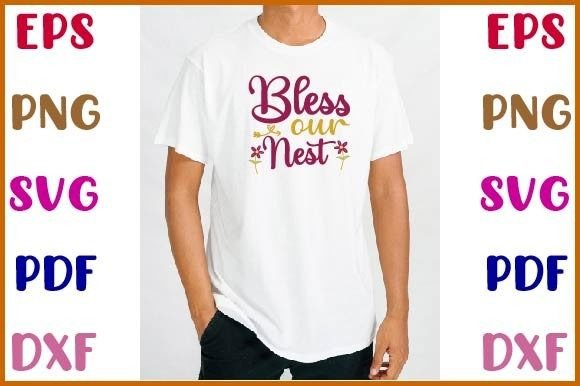
Bless Our Nest – An Embroidery Designer’s Honest Review
When a new design crosses my desk, I don’t just look at it. I feel it out. I imagine it stitched into fabric, handed to a customer, hanging in a booth at a Saturday market. Bless Our Nest caught my attention right away because it does something simple that’s actually hard to pull off: it feels both personal and professional at the same time. The dog motif paired with the warm homestead sentiment lands in a sweet spot that works for modern handmade goods and classic gift items alike. As someone who has tested hundreds of embroidery designs for real project use, I can tell you this one has real potential—but like any design, it needs the right approach.
First Impressions: Warm, Whimsical, and Surprisingly Versatile
The first thing I noticed about Bless Our Nest is the mood it creates. The dog figure is friendly without being cartoonish, and the lettering carries a handmade charm that feels intentional. The layout is balanced, with the illustration and text working together rather than competing. That might sound like a small thing, but in embroidery, balance is everything. A design that feels right on screen can feel heavy or awkward once it’s stitched. This one avoids that pitfall. The visual personality leans rustic but not rough, cute but not cloying. It’s the kind of design that makes people smile before they even ask what it’s for. For a crafts project or a piece of custom apparel, that instant likeability is gold.
Testing Bless Our Nest on a Custom Tote Bag
I wanted to see how Bless Our Nest would behave in a real product, so I prepped a medium-weight canvas tote bag. Tote bags are a staple for small shop owners and Etsy sellers because they’re affordable to produce and easy to sell. I hooped the bag with a cutaway stabilizer and ran a test stitch using a medium hoop size. The design stitched out cleanly, with no pull or distortion on the canvas. The fill areas held their shape, and the open spaces around the dog and lettering gave the fabric room to breathe. That low stitch density is a blessing when you’re sewing on a structured item like a tote, because it keeps the fabric from puckering. I also tested it on a cotton sweatshirt, and the design sat nicely on the chest without feeling stiff. For a graphics file that started as a cutting design, the translation to embroidery was smooth.
Where This Design Shines in Your Product Line
After running several tests, I can say Bless Our Nest is a strong candidate for a wide range of finished products. Here is where I think it performs best:
- Custom apparel: T-shirts, sweatshirts, and hoodies with a chest or left chest placement. The design scale works well for adult and youth sizes.
- Tote bags and aprons: The rustic theme fits kitchen and market products naturally. An embroidered apron with this design would sell well at craft fairs.
- Baby and nursery items: The dog and nest theme is gentle enough for baby blankets, bibs, and onesies. Just keep the design proportional to the garment.
- Holiday and housewarming gifts: “Bless Our Nest” is a natural sentiment for people moving into a new home or celebrating a new addition to the family.
- Embroidered patches: The design’s clean outlines make it an excellent candidate for patch production. Stitch it on felt or twill and add a merrowed edge for a professional finish.
- Pillow covers and tea towels: Home decor items with this design feel personal but not overly sentimental. They make great boutique products.
If you run a small shop or sell on Etsy, this design gives you multiple product directions without needing to redraw or relicense the artwork. That is the kind of efficiency that saves time and builds a cohesive brand.
Where to Use Bless Our Nest with Care
No design works everywhere, and Bless Our Nest has a few limitations worth noting. The design includes some detailed areas, especially around the dog’s face and the nest structure. If you try to stitch it in a very small hoop size, those details can lose definition. I recommend keeping the design at least medium-sized so the satin stitches and fill areas have room to develop. On textured fabrics like heavy fleece or bouclé, test first. The texture can muddy fine lines. Stretchy fabrics like ribbed knit or lightweight jersey require a quality stabilizer and careful hooping to prevent the design from distorting. Dark fabrics also need attention. The design uses open areas that let the fabric show through, so if you stitch it on black or navy, make sure your thread colors pop. Otherwise, the design can feel flat. For caps and curved surfaces, the layout is broad enough that it may not sit evenly on a small curved panel. I would avoid using it on fitted caps unless you reduce the scale and test the placement carefully. Finally, for products that will be washed frequently, like kitchen towels or baby clothes, use a dense enough stitch count and a strong stabilizer to keep the design looking crisp over time.
Practical Notes for Embroidery and Applique Work
If you plan to use Bless Our Nest as an embroidery project, here are a few things I learned during my tests. First, always test the design on scrap fabric that matches your final product. Thread color choices matter more than you think. I tested it with warm browns and soft greens for the dog and nest, and a dusty blue for the lettering. The combination felt grounded and natural. You can also treat parts of the design as an applique. The open shapes in the dog and nest area are well suited for layering fabric pieces under a satin stitch edge. That approach reduces stitch count and gives the finished item a handcrafted texture that customers love. Check the design in black and white before you stitch. A grayscale printout can show you which areas might feel too dense or too sparse. Also, confirm your hoop size before you load the file. The design works best in a medium hoop, but if you only have a small hoop, you may need to break it into multiple hoops or reduce the scale. Licensing is another important step. The product description states that the files are ready for use with cutting machines, but if you plan to sell finished embroidery products using this design, confirm that your license covers commercial use. The same goes for selling the digital file itself. Never assume—check first.
Building a Small Shop Collection Around This Design
For Etsy sellers and handmade shop owners, Bless Our Nest can anchor a whole product line. I can picture a shop offering a matching tote bag, embroidered baby onesie, kitchen towel, and wall hanging, all using the same design. That kind of consistency builds customer trust and makes your brand feel intentional. The design also works well in printable mockups. Because it started as an SVG and comes with PNG and JPEG files, you can create product previews for your online shop without stitching every sample first. That saves production time and lets you test demand before you commit to inventory. If you sell digital products, the file formats included give you flexibility. You can offer the design as a cut file, a printable, or as part of an embroidery bundle. Just make sure you have the rights to distribute it in each format.
Final Thoughts on Bless Our Nest
Bless Our Nest is a design that understands its audience. It doesn’t try to be trendy or overproduced. It offers a clear sentiment, a friendly character, and enough visual interest to hold up in real stitching. For embroidery designers, small business owners, and crafters who want a design that works across apparel, home decor, and gifts, this is a solid addition to your library. It performs well on stable fabrics, fits a range of product categories, and leaves room for your own creative choices in thread and placement. Is it perfect for every project? No. But used with care, it can become a reliable piece of crafts and graphics inventory that delivers consistent results. Test it, trust your stabilizer, and let the design do what it does best: make people feel at home.