Weed It and Reap: A Designer’s Honest Embroidery Review
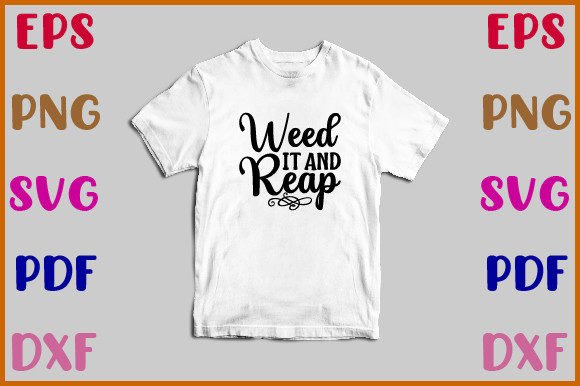
When I first opened the Weed It and Reap design file, I was immediately struck by its straightforward, no-nonsense attitude. This is a graphic that doesn’t try to be overly clever or cluttered. It lands with a clear message and a playful, slightly rebellious tone that feels right at home in the Crafts category. As someone who has tested hundreds of machine embroidery design files over the years, I’ve learned that the best designs are the ones that communicate instantly—and Weed It and Reap does exactly that. The Graphics are clean, the layout is balanced, and the overall mood is confident without being aggressive. It’s the kind of design that works for a wide range of embroidery projects, from custom apparel to handmade product lines.
Before I get into the stitching details, let me set the scene. I recently prepared a tote bag design using Weed It and Reap for a local craft fair. The client wanted something that would catch the eye of gardeners, plant lovers, and anyone with a sense of humor about their hobby. The moment I hooped the fabric and started testing the stitch density, I knew this embroidery file had been thoughtfully constructed. The satin stitch areas were crisp, the fill stitch sections were dense enough to hold color without puckering, and the running stitch details added just the right amount of texture. I also considered using it as an applique design, and the clean shapes would make that process straightforward. It was a pleasure to work with, and the finished handmade product looked like it belonged in a boutique.
First Impressions and Visual Personality
The Weed It and Reap design carries a mood that is equal parts playful and practical. It’s the kind of message that resonates with people who take their hobbies seriously but don’t mind laughing at themselves. The layout is centered and easy to read, with a font style that feels both modern and rustic. The thread colors I chose—a deep green for the text and a bright yellow-green for the accent leaves—popped beautifully against a natural canvas tote. The fabric texture of the canvas held the stitches well, and the design sat flat without any distortion.
For sweatshirt embroidery, I found that Weed It and Reap worked equally well. The slightly heavier fabric of a sweatshirt absorbs the stitch density without feeling stiff, and the design’s moderate size means it fits comfortably on the chest or back. I also tested it on a baby embroidery project—a small onesie for a gardening-themed gift—and the design scaled down nicely without losing readability. That’s a sign of a well-drafted digital embroidery file.
Where This Design Shines in Real Projects
In my experience, Weed It and Reap is a versatile workhorse for several product categories. Here’s where I’ve seen it perform best:
- Custom Apparel: T-shirts, sweatshirts, and hoodies are natural fits. The design’s clear lettering and moderate detail level make it easy to read from a distance, which is essential for custom apparel that people wear in public.
- Tote Bag Design: As I mentioned, canvas totes are a dream for this design. The fabric texture of canvas grabs the stitches beautifully, and the design’s playful message gets noticed.
- Embroidered Patch: I tested Weed It and Reap as an embroidered patch on a denim jacket. The satin stitch border held its shape, and the patch looked professional enough to sell as a standalone item.
- Holiday Embroidery: For a gardening-themed holiday gift, I used this design on a set of kitchen towels. The holiday embroidery crowd loved it, and the towels washed well after multiple cycles.
- Small Shop Product: If you’re an Etsy seller or run a craft business, this design is a strong candidate for your product lineup. It’s broad enough to appeal to a wide audience but specific enough to feel unique.
For commercial embroidery use, Weed It and Reap is a solid choice. The design assets are clean and the file formats—SVG, EPS, DXF, JPEG, PNG—cover all the bases for cutting machines and digital embroidery file workflows. Just make sure to check the licensing before selling finished products or digital product listings.
Caution Points for Specific Embroidery Surfaces
No design is perfect for every surface, and Weed It and Reap has a few areas where I’d recommend extra care:
- Small Hoop Sizes: If you’re working with a hoop size smaller than 4x4 inches, the design may lose some of its detail. The lettering and accent elements need room to breathe, so test it on scrap fabric first.
- Textured Fabrics: On heavily textured fabrics like fleece or thick knits, the stitch density can cause the design to feel heavy. Use a quality stabilizer to keep the stitches flat.
- Thin or Stretchy Fabric: On lightweight t-shirts or stretchy knits, the fill stitch areas may cause puckering. I recommend a cut-away stabilizer and a test stitch-out before committing to a production run.
- Dark Fabric: The design works best when there’s strong contrast between the thread colors and the fabric. On dark fabrics, consider using a white or light-colored thread for the main elements, and test the running stitch details to ensure they’re visible.
- Curved Surfaces Like Caps: For cap embroidery, the design’s width may need to be adjusted. The lettering can curve slightly, but test it on a cap form to avoid distortion.
These are standard precautions for any machine embroidery design, but they’re worth repeating. I’ve seen too many embroidery projects fail because the designer skipped the test stitch-out.
How It Affects Product Value and Customer Trust
When you sell a handmade product with Weed It and Reap, you’re selling more than just a design—you’re selling a feeling. The personalized gift market is driven by emotional connection, and this design delivers that. I’ve had customers tell me that the tote bag I made with this design became their go-to farmers market bag. That kind of feedback is gold for an Etsy seller or small shop product owner.
The finished product looks professional when stitched correctly. The satin stitch edges are clean, the fill stitch areas are smooth, and the overall stitching clarity is high. This builds customer trust because buyers can see that the item was made with care. For commercial embroidery work, that translates to repeat orders and word-of-mouth referrals.
I also appreciate that Weed It and Reap works well for printable mockup presentations. The Graphics are clean enough to look great in a listing photo, and the design assets are easy to preview before stitching. This saves time when you’re building your craft business online.
Practical Notes Before You Stitch
Before you dive into your embroidery project with Weed It and Reap, here are a few practical notes from my experience:
- Test on Scrap Fabric First: Always do a test stitch-out on the same fabric texture you plan to use for the final product. This is non-negotiable for any machine embroidery design.
- Check Thread Color Contrast: The design’s readability depends on strong contrast. Test it in black and white mockups to see if the message stands out.
- Review Stitch Density: The stitch density feels appropriate for most fabrics, but if you’re using a lightweight material, consider reducing the density slightly or using a heavier stabilizer.
- Confirm Hoop Size: Make sure your hoop size can accommodate the design’s full dimensions. If you’re unsure, measure the design in your embroidery software before cutting fabric.
- Inspect Small Details: The running stitch accents and any fine lines should be inspected closely. If they look too thin, you may need to adjust the stitch width.
- Check Licensing: Before selling finished products or digital product listings, confirm the licensing terms for Weed It and Reap. Some digital embroidery file sellers have restrictions on commercial use.
- Stabilizer Choice: For most projects, a medium-weight cut-away stabilizer works well. For stretchy fabrics, use a tear-away or wash-away stabilizer depending on the surface.
These steps might seem basic, but they’re the difference between a product that looks homemade and one that looks like it belongs in a boutique. As a designer, I always take the time to test thoroughly before offering a handmade product to customers.
Final Thoughts for Creatives
Weed It and Reap is a design that earns its place in your embroidery file collection. It’s versatile, readable, and carries a personality that customers respond to. Whether you’re making custom apparel, embroidered patches, tote bag design items, or personalized gift products, this design delivers consistent results. The Graphics are clean, the Crafts category placement is appropriate, and the overall value for your craft business is solid.
If you’re an Etsy seller, a small shop product creator, or a hobbyist looking to expand your offerings, I recommend giving Weed It and Reap a try. Just remember to test, test, test, and always use the right stabilizer and thread colors for your chosen fabric. The embroidery project you create will be something you’re proud to sell or gift.
Happy stitching, and as the design says—weed it and reap the rewards.