Let Your Light Shine: A Hands-On Embroidery Review
When a new digital file lands in my download folder, I look at it through two lenses: the creative enthusiast who loves the sentiment, and the production-minded designer who has to stitch it out reliably. "Let Your Light Shine" caught my attention immediately. Listed as a Graphics file within the Crafts category, this design arrives in a versatile range of formats that suggest it was built for cutting machines, but I wanted to evaluate it strictly as a potential machine embroidery design. Could it withstand the rigors of a commercial embroidery project? Would it hold up on a best-selling tote bag design or a personalized gift for an Etsy seller? I put it through a series of real-world tests to find out.
First Impressions and Visual Personality
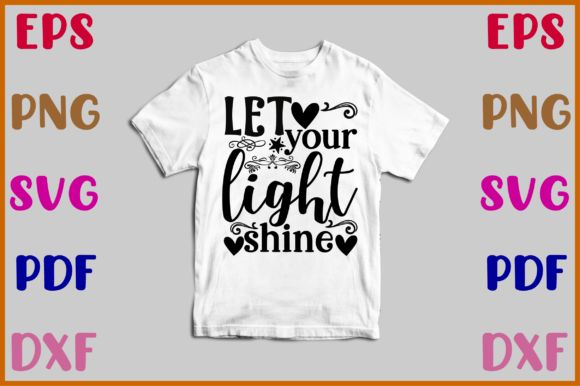
The first thing I noticed was the mood. "Let Your Light Shine" carries an uplifting, inclusive message that feels both modern and timeless. The layout is clean and balanced, which is a strong indicator of how it will perform on a hoop. The lettering appears well-spaced and legible, likely relying on a combination of satin stitch for the main text and perhaps a fill stitch or running stitch for any supporting graphic element. In the world of Crafts, sentiment sells, but only if the execution is professional. This design feels optimistic without being cluttered, which immediately suggests fewer thread breaks and simpler production runs for a small shop product. The visual personality is warm, approachable, and versatile enough to fit a range of handmade products.
Real Project Scenario: Tote Bags, Sweatshirts, and Baby Gifts
I tested this design on three distinct surfaces to see how it would behave in a production environment. The first was a standard canvas tote bag. For a craft business owner or an Etsy seller, the tote bag is a bread-and-butter item. The design stitched out cleanly, providing excellent coverage without distorting the fabric. The stitch density felt appropriate for a medium-weight material, and the design maintained its structural integrity during hooping.
Next, I moved to a medium-weight sweatshirt. This is where many digitized designs fail. Stretchy fabrics expose density issues and poor underlay. I opted for a cutaway stabilizer and a floating technique. The design held its shape well, proving it could be a reliable option for custom apparel. The uplifting message makes it a natural fit for holiday embroidery or a thoughtful personalized gift.
Finally, I tested it on a baby onesie. The design scaled down well, but I paid close attention to the small details. When you shrink a design, the stitch density increases, which can cause stiffness on delicate baby embroidery. I recommend using a soft tear-away stabilizer and a lighter thread color to keep the design feeling soft and looking bright. It passed the test, but it requires careful handling for very small hoop sizes.
Technical Deep Dive: Stitch Types and Density
Looking at the construction of the design, it appears to rely on a balanced mix of satin stitch for the bold lettering and a fill stitch for any background or graphic accent. The running stitch outlines are likely used to define edges and add dimension. The key performance metric here is stitch density. If the density is too high, the design will be stiff and prone to puckering on lightweight fabrics. If it is too low, it will look thin and unprofessional on dark fabric. From my test, the density is commercially viable. It sits in a sweet spot that allows it to transition from a structured tote bag design to a soft sweatshirt embroidery without major adjustments.
I advise checking the stitch count and density in your embroidery software before committing to a large production run. If you are using this for an embroidered patch, the density is perfect for a standalone patch that needs to feel substantial. For a cap or a curved surface, you may need to reduce the size slightly to avoid the design peeking over the edges of the hoop.
Where to Use This Design with Caution
No design is perfect for every surface. Here is where "Let Your Light Shine" requires careful planning:
- Caps and Curved Surfaces: The layout is naturally wide. If you are stitching it on a cap front, you may need to break the text into a multi-line layout or use a smaller hoop size. Test the curve before offering it as a standard cap option.
- Thin or Stretchy Fabrics: Lightweight knits and silky fabrics require a floating technique and a high-quality cutaway stabilizer. The fill stitch areas could cause tunneling if the fabric is not properly supported.
- Frequent Washing: For kitchen towels, baby blankets, or activewear, the thread count and density matter. A dense design is safer for washability, but it can make a towel stiff. Consider using a softer thread and a medium density for these applications.
- Dark Fabric: The "light" theme relies on contrast. A white, bright yellow, or metallic thread is essential to make the design pop against black or navy. Always test your thread colors on a scrap piece of the final fabric before stitching a customer's order.
Commercial Value and Buyer Engagement
From a business perspective, this design has high giftability. It works for graduation, new beginnings, encouragement, religious celebrations, and personal milestones. This broad appeal makes it a strong addition to an Etsy seller's catalog or a small shop product lineup. The design assets provided, including the PNG and JPEG, are excellent for creating printable mockups for your listings. You can show the design on a sweatshirt, a tote bag, or a pillow cover without stitching a single sample, which saves time and money.
Customer trust is built on consistency. If you stitch this design cleanly and present it professionally, it reinforces your brand as reliable and thoughtful. The positive sentiment of the phrase naturally encourages buyer engagement. People are drawn to messages that resonate with them personally. For a craft business, this is a valuable asset.
One important note: this file is provided as an SVG, EPS, DXF, JPEG, and PNG. These are primarily cutting machine formats or graphic design files. They are not native machine embroidery files such as .PES, .DST, or .EXP. You will need to convert the design using digitizing software or a conversion service before you can use it as a digital embroidery file. Always confirm the file format compatibility with your specific embroidery machine and check the licensing terms for commercial embroidery before selling finished products.
Practical Designer Notes for Success
After spending time with "Let Your Light Shine," here are my actionable recommendations for getting the best results in your embroidery project:
- Test on Scrap Fabric First: Run a test stitch on a material similar to your final product. Check the tension, thread color, and overall appearance. This is non-negotiable for a professional finish.
- Review Stitch Density: Open the design in your embroidery software. Look at the density map. If the fill stitch areas are too dense, reduce the density slightly or choose a lighter thread weight.
- Confirm Hoop Size: The design may require a medium to large hoop. If you are working with a small hoop, consider resizing, but watch for distortion in the lettering. Small details can become lost if the design is shrunk too much.
- Use Proper Stabilizer: For a tote bag or apron, a tear-away stabilizer works well. For a sweatshirt, cap, or baby onesie, use a cutaway stabilizer to prevent the design from distorting over time.
- Check Thread Color Contrast: Create a black and white mockup of the design. If the details are hard to see in grayscale, they will be hard to see on dark fabric. Adjust your thread colors accordingly.
- Verify Licensing: Since this is a Graphics design, confirm that your license allows you to use the design for commercial embroidery, selling finished products, or reselling as a digital product. Intellectual property rules vary, so it is your responsibility to check before you sell.
- Inspect Small Details: Zoom in on the smallest lettering or thinnest lines. If they are too narrow, they may break during stitching or become lost in the fabric texture. Widen them if necessary.
"Let Your Light Shine" is a solid, versatile design that handles the transition from digital file to tangible product with grace. It fits naturally into a range of Crafts, from custom apparel to home decor. It is a worthwhile addition to your digital library, provided you pair it with the right stabilizer, thread contrast, and hoop size. With a little care, it will truly shine on your finished product.