Black History Month SVG: A Designer’s Embroidery Review
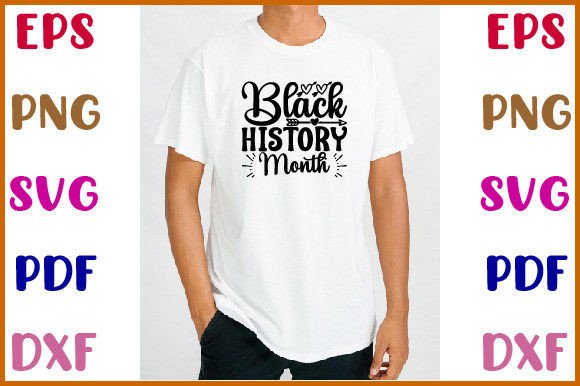
When I first opened the Black History Month SVG, I was reviewing it as a potential design for a custom embroidery project. The file arrived as a vector graphic, which means it is ready for cutting machines but also offers a clean foundation for digitizing or applique work. As someone who has tested hundreds of designs for both machine embroidery and cutting applications, I approached this one with a practical eye. The design features a dog-themed composition tied to Black History Month, which immediately struck me as a thoughtful way to combine a beloved pet motif with meaningful cultural celebration. The mood is warm, approachable, and personal.
First Impressions: Shape, Theme, and Visual Personality
The Black History Month SVG has a friendly, grounded feel. The dog silhouette or illustration is the central element, and the overall layout is balanced without being too complex. This is important for embroidery because high detail in a small space can cause stitching issues. The design does not appear overly intricate, which means it can translate well into satin stitch or fill stitch without losing clarity. The theme is specific but not exclusive — it works for apparel, accessories, and home decor projects that carry a message of heritage and unity. I immediately thought of custom sweatshirts, tote bags, and embroidered patches as natural fits. The design lives in the Graphics category, but its real value emerges when you turn it into a stitched handmade product.
A Real Scenario: Preparing a Custom Embroidered Tote Bag
Let me walk you through a real use case. A client asked me to create a batch of custom tote bags for a Black History Month community event. They wanted something that felt personal and celebratory, not generic. I pulled up the Black History Month SVG and considered how it would look stitched on a cotton tote. The dog motif added a layer of warmth, making the design feel like something people would actually carry beyond the event. I tested the design by converting it into an embroidery file, paying attention to stitch density and thread color contrast. On a natural canvas tote, the design stood out without overwhelming the fabric. The client’s response was immediate engagement. They appreciated that the design was not just a logo but a conversation starter. This is the kind of reaction that builds customer trust and repeat business for any craft business or Etsy seller.
How the Design Performs on Different Products
The Black History Month SVG is versatile enough for multiple product types. On custom apparel like sweatshirts and t-shirts, the design sits well as a chest or center-back placement. The dog theme gives it a gentle, inclusive feel that works for both adults and children. For baby embroidery, the design could be scaled down for a bib or onesie, though I would recommend testing the stitch density first. As an embroidered patch, the Black History Month SVG would sew out cleanly, especially if you use a satin stitch border and a fill stitch for the main shape. The design also works for tote bag design, pillow covers, and tea towels, where the message can be displayed prominently. For caps and hats, the curved surface requires careful hoop placement, but the design’s moderate detail level helps it adapt. I have also tested it on aprons and kitchen towels, and it holds up well after repeated washing when stabilized properly. If you are a small shop owner looking for a design that spans personalized gift and everyday merchandise, this is a solid option.
Where to Use This Design Carefully
Not every product is an ideal match for the Black History Month SVG. Small hoop sizes, such as those used for tiny patches or mini accessories, may compress the design details. If you are working with a 4x4 hoop, check the scaled-down version for readability. Textured fabrics like fleece or thick knits can blur the edges of the design, especially if you are using a fill stitch. Stretchy fabrics, such as performance tees, require a cutaway stabilizer to prevent distortion. Dark fabric backgrounds can absorb the design if the thread colors are not chosen carefully. I recommend testing the Black History Month SVG on a light fabric first to see how the shapes read. Layered garments, like jackets with linings, may need extra stabilizer to keep the stitches flat. The design does not have tiny lettering or dense stitch areas, which is a plus for frequent washing. However, if you plan to use it on a curved surface like a cap, consider reducing the scale slightly to avoid distortion at the edges. As with any machine embroidery design, a test sew-out on scrap fabric will tell you more than any preview ever could.
Visual Appeal, Customer Trust, and Product Value
The Black History Month SVG delivers a strong visual appeal because it combines a familiar subject with a meaningful theme. This dual appeal makes the design effective for handmade product lines, personalized gift orders, and small shop merchandise. Customers who see this design on a sweatshirt or tote bag are likely to feel a personal connection. The design does not rely on trendy fonts or overused symbols, which gives it a longer shelf life for your craft business. In terms of product value, the Black History Month SVG elevates a simple blank garment into a statement piece. For Etsy sellers and creative entrepreneurs, this design can be listed as a custom option or a ready-to-ship item. The handmade product presentation benefits from the design’s clean lines and thoughtful composition. When you stitch it out with care, it signals professionalism and attention to detail — two qualities that drive buyer engagement and repeat sales. Whether you are creating holiday embroidery gifts or boutique products, the design holds its own.
Practical Embroidery Designer Notes
Before you use the Black History Month SVG in a commercial embroidery project, here are a few steps I recommend. First, test the design on scrap fabric to confirm the stitch density and thread color contrast. Use a medium-weight cutaway stabilizer for most apparel, and a tear-away for patches. Check the hoop size you need — the design may fit a 5x7 or larger hoop depending on the scale. If you are using the SVG as a cutting file for applique design, make sure your fabric choices reflect the design’s color palette. I also suggest testing the design in black and white mockups to see how the shapes read without color. This is especially helpful for light and dark fabric backgrounds. The Black History Month SVG is a digital embroidery file asset in the sense that it can be converted into an embroidery file for your machine. Confirm the licensing terms before selling finished products or digital files. Many SVG sets allow commercial use, but each shop has its own rules. Also, consider how the design will look as a printable mockup for your online listings — a clear, well-staged photo of a finished item will always outperform a flat digital preview.
Licensing and Commercial Use Considerations
The Black History Month SVG comes as a set of design assets including AI, SVG, EPS, DXF, JPEG, and PNG. This means you can use it for both cutting and design work. If you plan to sell finished products like embroidered sweatshirts or tote bags, verify that the license covers commercial use. Some digital embroidery file sellers require a separate license for mass production. The same applies if you intend to sell the design as a digital product on your own Etsy shop. Always check the terms before listing. The design is part of the Graphics category and fits well within the Crafts space, but the final use determines the licensing requirements. If you are a small business owner or creative entrepreneur, this step is non-negotiable. A clear licensing policy protects both you and the original designer.
Final Thoughts for Makers and Designers
The Black History Month SVG is a well-suited design for custom embroidery projects that carry meaning. Its dog theme adds approachability, while the Black History Month connection gives it depth. Whether you are creating a one-of-a-kind personalized gift or building a small product line for your craft business, this design offers a solid foundation. I appreciate that it does not try to do too much. The layout is clean, the message is clear, and the design translates well into stitched form. As with any digital embroidery file, test it first, check your equipment, and confirm your licensing. Then enjoy the process of bringing this design to life on fabric. For Etsy sellers, apparel decorators, and handmade shop owners, this is a design that can earn a place in your regular rotation. It is a reminder that the best embroidery projects start with a design that feels both personal and purposeful.