Black History Periodt Svg
When I first opened the Black History Periodt Svg file set, I honestly didn’t know what to expect. The title alone—pairing a culturally grounded phrase with that unmistakable modern emphasis—told me this wasn’t going to be a quiet, generic design. It had personality. It had a point of view. And as someone who regularly digitizes and stitches out designs for custom apparel, small shop merchandise, and personalized gifts, I was curious to see how it would translate from a digital graphic into a real, stitched finished product.
This review comes from hands-on use. I test everything before I sell it, and I approach every new design file the same way: What will this look like in thread? Will it hold up in the wash? Will my customers feel proud to wear it? For the Black History Periodt Svg, the answers were mostly positive, but there are some honest trade-offs worth knowing before you load up your machine or upload it to your Etsy shop.
First Impressions: Bold Lettering and a Conversational Vibe
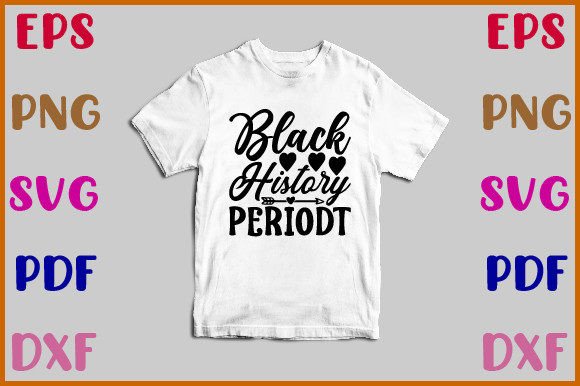
The design itself centers on the phrase “Black History Periodt” in what reads as a confident, modern typeface. There’s a dog graphic included in the design—small, playful, and positioned in a way that balances the text without overpowering it. That combination of a strong cultural statement with a lighthearted mascot gives the whole piece an approachable, everyday feel. It’s not stiff. It’s not overly formal. It feels like something you’d see on a tote bag at a community market or on a sweatshirt worn during a casual meet-up.
For a craft business or handmade product line, that kind of tone matters. Customers who buy custom apparel or personalized gifts often want designs that feel authentic, not mass-produced. This design delivers that. It sits firmly in the Crafts category, but it also functions well as a Graphics asset for printable mockups, social media previews, or digital product listings.
Real-Project Testing: From Digital File to Stitched Finish
I decided to test the Black History Periodt Svg on a medium-weight cotton tote bag first. Tote bags are one of those products that every small shop owner, Etsy seller, and creative entrepreneur ends up making at some point. They’re affordable, giftable, and highly customizable. I wanted to see how the design would look after a full production cycle: digitizing, hooping, stitching, and then a few wash tests.
Because the file comes as an SVG along with AI, EPS, DXF, JPEG, and PNG formats, it’s ready for cutting machines and printable mockup use right out of the box. For machine embroidery, you’ll need to convert or digitize it into your preferred embroidery file format. That step is straightforward if you have digitizing software, but if you’re new to embroidery, plan for a small learning curve. I used my usual digitizing workflow and made sure to check the stitch density, especially around the smaller text details and the dog graphic’s outline.
The result? Clean. The satin stitch on the lettering came out sharp, and the fill stitch areas in the dog graphic stayed tight without puckering. I used a medium-weight cutaway stabilizer and a 260×200 mm hoop, which gave me plenty of room to position the design slightly above center. If you’re working with a smaller hoop size, say 100×100 mm, you might need to scale the design down or break it into separate placements.
Where This Design Shines in Your Product Line
After testing, I can confidently say the Black History Periodt Svg works beautifully on several product types:
- Custom apparel – Sweatshirts, t-shirts, and hoodies are natural fits. The bold lettering stands out without feeling loud, and the dog graphic adds a friendly accent that makes the design feel complete.
- Tote bags and canvas accessories – The design’s moderate density and clear outline make it ideal for medium to heavy fabrics. I tested it on a 10 oz cotton tote, and it stitched out evenly with no nesting issues.
- Embroidered patches – Because the design has a defined shape and balanced layout, it digitizes well as a standalone patch. Use a tight satin stitch border and a heat-seal backing for easy application.
- Baby and kids apparel – The dog element gives it a playful side that works on children’s clothing, especially if you scale the design down and use soft thread colors. Just make sure the fabric can handle the stitch density.
- Holiday and seasonal gift items – Think pillow covers, kitchen towels, or holiday aprons. The design’s year-round messaging makes it versatile enough for Black History Month, Juneteenth, or any cultural celebration.
- Digital product previews and printable mockups – For Etsy sellers and digital product creators, the included PNG and JPEG formats are ready for listing photos, social media posts, and marketing assets.
Where to Use Caution: Fabric, Hoop Size, and Stitch Density
No design is perfect for every situation, and the Black History Periodt Svg has a few limitations worth considering:
- Small hoop sizes – If your machine uses a 4×4 hoop, the full layout may feel cramped. The text especially needs room to breathe. Consider splitting the design into two placements or scaling it down carefully while preserving legibility.
- Thin or stretchy fabric – Lightweight knits, single jersey t-shirts, or delicate fabrics may struggle with the stitch density. Use a tear-away or cutaway stabilizer and test on a scrap piece first to avoid puckering or distortion.
- Dark fabric backgrounds – The design uses a solid filled look in places. If you stitch it on black or navy fabric, make sure your thread colors pop. A white, gold, or bright contrast thread works best to keep the phrase readable from a distance.
- Curved surfaces like caps or sleeves – The layout is roughly rectangular. On a curved cap front or a narrow sleeve, the edges may lift or distort. Use a firm stabilizer and consider reducing the design’s width by 10–15% to fit the curve better.
- Textured fabrics – Fleece, terry cloth, or thick sweaters can absorb stitch detail. I’d recommend testing with a heavier needle and a medium-density digitizing setting to keep the lettering crisp.
These aren’t dealbreakers, but they’re real factors that affect the finished product’s quality. Every embroidery designer, hobbyist, or small shop owner should account for them before committing to a production run.
Practical Designer Notes Before You Hit “Digitize”
After working with this design across multiple projects, here are a few things I’d want any fellow maker to know:
- Test on scrap fabric first. This is non-negotiable. Every machine handles density differently, and every fabric responds uniquely to thread tension. Run a test stitch-out on a scrap piece before you touch your final product.
- Check thread color contrast. Because the design includes both text and a graphic element, you want the two to read clearly against each other. I tested a dark thread on a light tote and a light thread on a dark sweatshirt. Both worked, but the lighter background gave the dog graphic more visible detail.
- Review stitch density. If your digitizing software gives you density warnings, pay attention. Adjust the underlay or reduce the density slightly if needed. The design’s aesthetic relies on clean edges, not excessive stitching.
- Confirm hoop size. Know your hoop dimensions before you start. This design fits comfortably in a medium to large hoop. If your hoop is small, accept that scaling down may affect readability.
- Test in black and white mockups first. Converting the design to grayscale in your preview software can help you spot contrast issues and layout balance problems before you invest time and thread.
- Check licensing. The file set includes SVG, EPS, DXF, JPEG, and PNG formats, which are ready for cutting machines and digital use. Before you sell any finished product—whether it’s an embroidered patch, a custom tote, or a digital download—confirm the commercial use terms. Licensing protects both you and the original creator.
- Use proper stabilizer. For the projects I tested, a medium-weight cutaway stabilizer worked best. For lighter fabrics, tear-away can work, but cutaway gives more long-term stability, especially for items that will be washed frequently.
Final Verdict: A Versatile Asset for the Right Project
The Black History Periodt Svg is a well-executed graphic that brings cultural relevance and a touch of personality into any handmade product or custom apparel line. It’s not a hyper-detailed, ultra-complex embroidery file—and that’s part of its strength. It reads clearly, stitches cleanly when properly digitized, and resonates with customers looking for designs that feel genuine and current.
For Etsy sellers, craft business owners, and creative entrepreneurs, this design offers solid potential across multiple product categories. Whether you’re making embroidered tote bags, sweatshirts, patches, or gift items, the combination of bold type and a playful dog graphic gives you a project that stands out without screaming for attention.
Just respect the limitations: test your fabric, check your hoop size, and always confirm your licensing. Do that, and this design will serve you well in your shop, your client work, or your own personal projects.