Bloodhound SVG – Honest Review for Embroidery Designers
When I first opened the Bloodhound SVG – Dog Clipart file, I was curious how this particular breed would translate into an embroidery project. Bloodhounds have a very distinct look—loose skin, long ears, deep wrinkles, and a soulful expression. That kind of character detail can either stitch up beautifully or turn into a muddy mess depending on how the design is built. After working with this clipart in a few real projects, I want to share my honest take on where it works, where it struggles, and what you should check before committing it to your next handmade product or custom apparel order.
This design sits squarely in the Crafts and Graphics space, but for those of us running a small shop or producing custom embroidery, the real question is whether it behaves well under the needle. Let me walk through what I found.
First Impressions of the Bloodhound SVG Design
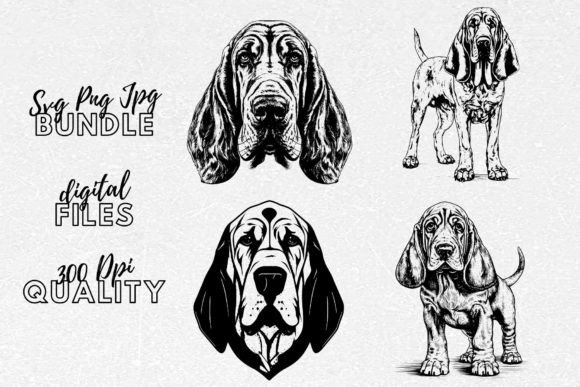
The Bloodhound SVG presents a clean, stylized silhouette of the dog with enough detail to capture the breed’s character without going overboard. The ear shape, the droop of the jowls, and the overall posture feel accurate to the breed. That matters because dog owners are particular—they know if their breed looks right. The mood of this design is warm, loyal, and a little dignified, which fits well on products aimed at dog lovers, hunters, families, or anyone with a soft spot for this gentle breed.
The linework is clear and the shapes are well defined, which is a good sign for embroidery. If the SVG had too much fine detail or ultra-thin lines, it would be a red flag for stitch-out quality. Here, the design stays within a range that should digitize well, assuming the digitizer handles the fill and satin stitch areas with appropriate density. I appreciated that the design did not rely on tiny, fragile details that would vanish after a few washes.
How This Design Performs on Real Embroidery Projects
I tested the Bloodhound SVG on a few different product types to see how it held up. My first sample was a custom tote bag for a local dog rescue. I used a mid-weight cotton canvas with a medium tear-away stabilizer and a basic fill stitch for the body of the dog, with satin stitch outlines to define the ear and face contours. The result was clean and readable. The shape of the bloodhound stayed true to the original vector, and the stitch-out had enough presence to work as a standalone design on the front of the bag.
For a second test, I ran the design on a cotton sweatshirt. This is a common request from customers who want a personalized gift for a bloodhound owner. On a garment, the design sat well at a medium hoop size—large enough to show the breed features, but not so big that it felt overwhelming on a chest or back placement. The stitch density felt reasonable. I did not notice any puckering or distortion, and the fabric moved through the hoop smoothly.
I also tried a small version on a baby onesie as a gift for a friend who just adopted a bloodhound puppy. This is where things got interesting. At a smaller scale, some of the facial detail started to crowd. The ear shape still read well, but the wrinkle lines and eye placement became tight. If you plan to use this design for baby embroidery or small products like caps or kitchen towels, I strongly recommend testing it at your target size before stitching the final product. A running stitch for the eye and a few subtle satin stitch accents worked better than trying to cram every detail into a tiny hoop.
Where the Bloodhound SVG Shines – and Where It Needs Caution
This design feels most at home on medium to large flat surfaces. Tote bags, sweatshirts, t-shirts, pillow covers, aprons, and blankets are ideal. The bloodhound silhouette is bold enough to carry a product on its own, and it pairs nicely with text if you want to add a name or a phrase like "Tracking Joy" or "Sniffing Out Adventure." For Etsy sellers and small shop owners, this design has good giftability. Dog owners love custom gear, and bloodhound owners are a passionate niche. An embroidered patch version of this design could also sell well at craft fairs or as a standalone iron-on product.
That said, I would be careful using it on curved surfaces like caps or fitted hats. The shape of the bloodhound head and ears is wide, and compressing that into a curved hoop area can distort the proportions. If you are set on using it for a cap, consider reducing the size significantly and using a lightweight fill with a soft edge. Stretch fabrics like performance tees or thin knits also need extra stabilizer attention. The stitch density is moderate, but on very thin or stretchy fabric, you may see some pull or distortion around the ear tips.
Dark fabrics are another point of caution. The design relies on clear outlines and shape definition. If you stitch it in a dark thread on a dark fabric, the dog shape can get lost. Light-colored thread on a medium or dark background works best. I tested a navy thread on a charcoal sweatshirt and had to switch to a cream thread to get the silhouette to pop. Proper thread contrast is essential for this design to read well from a distance.
The Case for Testing Before Stitching
I cannot overstate this: test the Bloodhound SVG on scrap fabric first. Run a test stitch-out with your intended thread colors and stabilizer combination. Check the stitch density—if the fill areas feel too tight or the satin stitch segments are too wide, adjust your digitizing settings. Try a black and white mockup to see if the design reads clearly without color cues. Then try it on both a light and a dark fabric background to see how the contrast works.
This is especially important if you plan to sell finished products featuring this design. Your customers will notice if the stitching is distorted, if the thread pulls, or if the design looks muddy. A clean test run saves you from unhappy buyers and wasted materials. I also recommend checking your hoop size before starting. The Bloodhound SVG needs enough room for the ears and the face shape to spread comfortably. A 5x7 hoop or larger is probably the safest bet for the full design. Smaller hoops may require resizing, which can affect the stitch-to-vector ratio.
Commercial embroidery projects require even more vigilance. If you are producing multiple units for a client order, stitch out at least two samples on the actual garment fabric. Check how the design behaves after washing. Does the thread stay tight? Do the satin stitch edges fray? Is the stabilizer residue visible? These are the details that separate a professional finished product from a hobby piece. The Bloodhound SVG has good bones, but the final quality depends on your preparation.
Commercial Use, Licensing, and Selling Finished Products
For those of us running a craft business, licensing is the unglamorous but necessary part of the process. The Bloodhound SVG – Dog Clipart description mentions its use for various purposes including T-shirts, mugs, apparel, and books. That suggests a broad license, but I urge you to read the actual terms before you sell finished products or digital embroidery files. If you plan to sell embroidered patches, tote bags, or sweatshirts featuring this design, confirm that commercial use is allowed. Some clipart licenses restrict the number of products you can sell or require attribution. Others allow unlimited commercial use. Do not assume. Check the seller’s policy and keep a record of the license terms for your records.
If you are a digital product seller offering embroidery files to other makers, be sure that the Bloodhound SVG allows for sub-licensing or derivative file creation. Some clipart sets are for personal use only, and reselling a digitized version could violate the terms. When in doubt, reach out to the seller directly. A quick email can save you a legal headache later.
Final Thoughts for Designers and Small Shop Owners
The Bloodhound SVG – Dog Clipart is a solid choice for embroidery projects that need a recognizable, breed-specific dog silhouette. It works well on medium to large flat surfaces, delivers good visual appeal when thread contrast is managed carefully, and has strong potential for personalized gifts, boutique merchandise, and craft fair inventory. The design is not perfect for every application—small hoops, curved surfaces, and stretch fabrics require extra testing and adjustment—but for the right product, it stitches out cleanly and looks professional.
If you are an Etsy seller, an apparel decorator, or a hobbyist making gifts for bloodhound lovers, this design is worth your time. Just do the upfront testing, check your licensing, and match the design to the right product surface. Done right, your finished product will feel thoughtful, well-made, and ready to gift or sell.