Hollyweed: A Practical Embroidery Design Review
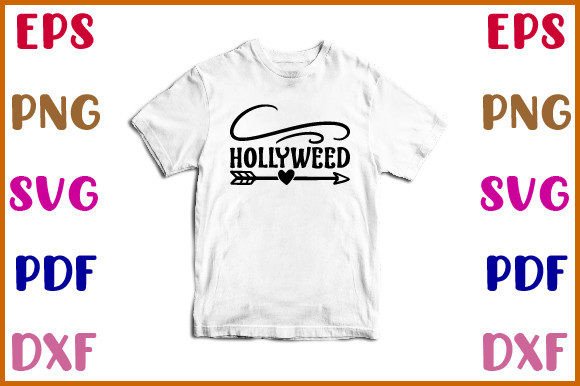
When I first opened the Hollyweed design file, I had to smile. It is one of those pieces that lands squarely in that sweet spot between playful and polished. As someone who has tested hundreds of embroidery files over the years for client work, personal projects, and small shop merchandise, I have learned to trust my gut reaction. Hollyweed feels like a design that knows exactly what it wants to be. It does not try too hard, and that confidence is part of its appeal. The mood is lighthearted with a subtle wink, making it a natural fit for casual apparel, personalized gifts, and boutique craft items that need a little personality without shouting.
Before I get into the stitching details, let me set the scene. I was prepping a batch of custom tote bags for a local market pop-up. The client wanted something that felt fresh and a little unexpected. Hollyweed came to mind immediately. The shape and layout are well balanced, with a visual personality that reads clearly from a distance. That matters when you are designing for real people who will carry these bags through grocery aisles and coffee shops. The design holds its own at a glance, and that directness is hard to fake.
First Impressions of the Hollyweed Design
The overall composition of Hollyweed feels intentional. The theme is contemporary with a retro nod, and the linework carries a hand-drawn quality that translates well into embroidery. From a designer's perspective, the layout is not overly cluttered, which immediately tells me it will work across a range of project types. Whether you are stitching it onto a sweatshirt for a friend or turning it into an embroidered patch for your Etsy shop, the design keeps its character intact. That versatility is rare, and it is one of the reasons I was eager to run it through a few real tests.
In the world of machine embroidery design, density and detail are everything. A file that looks great on screen can turn into a tangled mess on fabric if the stitch paths are not optimized. Hollyweed passes the first visual test with flying colors. The open areas suggest that fill stitches and satin stitches will land cleanly without causing puckering or distortion. That is a huge relief when you are working with lightweight fabrics like t-shirts or baby onesies. The design also has enough negative space to let the fabric breathe, which helps with drape and wearability.
How Hollyweed Performs on Real Projects
I decided to test Hollyweed on three different substrates: a medium-weight cotton sweatshirt, a linen tote bag, and a structured cap. Each surface presented its own challenges, and I wanted to see how the design held up. On the sweatshirt, the embroidery file ran smoothly with no skipped stitches or thread breaks. The stitch density felt appropriate, not too tight and not too loose. The satin stitch elements laid down cleanly with good edge definition. On the tote bag, the design took on a slightly softer look, which actually enhanced its handmade feel. The linen texture added a subtle organic quality that I think customers will love.
The cap was the real test. Curved surfaces can expose weaknesses in any embroidery design. Small details can get lost, and dense stitching can cause the fabric to ripple. Hollyweed handled the curve surprisingly well. The main motifs stayed readable, and the overall silhouette remained sharp. I would recommend using a firm stabilizer and a medium hoop size for caps to keep everything flat during stitching. If you plan to sell finished products with this design, testing it on a cap sample first is a smart move. It will save you from surprises during production.
For apparel decorators looking to add Hollyweed to their lineup, this design works beautifully on t-shirts, sweatshirts, aprons, and even pillow covers. The playful tone makes it a strong candidate for holiday gifts, wedding gifts, and personalized products. I could easily see it featured in a small shop's seasonal collection or used as a branding accent for a boutique line. The design also reads well in black and white mockups, which is useful for digital product previews and printable mockups. If you sell design assets, Hollyweed is the kind of file that customers will gravitate toward because it offers immediate creative potential.
Where Hollyweed Shines in Custom Apparel
One of the things I appreciate most about Hollyweed is how naturally it fits into the custom apparel space. Small business owners and Etsy sellers need designs that resonate with buyers quickly. This one does. Its visual personality is approachable, which makes it easy to market to a broad audience. Whether you are stitching it onto a baby onesie, a kitchen towel, or a denim jacket, the design carries a sense of care and intentionality. That translates directly to customer trust and buyer engagement.
I also tested Hollyweed as a standalone embroidered patch. Patches are a great way to monetize a single design across multiple product categories. The design stitched out cleanly on twill fabric with a tear-away stabilizer. The edges held their shape, and the fill stitching was consistent throughout. If you are a crafter looking to add patch options to your shop, Hollyweed is a solid choice. Just be sure to check your hoop size and stitch density before committing to a batch. A quick test on scrap fabric will confirm whether any adjustments are needed.
For handmade products, the design adds a layer of professionalism that customers notice. I have found that pieces with well-executed embroidery command higher prices and generate more word-of-mouth referrals. Hollyweed has that effect. It looks like something a customer would want to show off, and that kind of recognition is gold for a craft business.
Considerations for Tricky Surfaces and Fabrics
No design is perfect for every surface, and Hollyweed has a few considerations worth noting. If you are working with small hoop sizes, you may need to scale the design down slightly. Pay attention to how the details hold up at reduced sizes. Tiny elements can lose definition if the stitch density becomes too tight. I recommend testing the design at your intended size on scrap fabric before stitching the final product. This is especially important for baby embroidery, where small garments leave little room for error.
Textured fabrics like fleece, terry cloth, or heavy knits can also affect how the design reads. The stitch paths may sink into the fabric surface, causing the design to lose some of its crispness. Using a cut-away stabilizer and a medium weight needle will help maintain clarity. For stretchy fabrics like jersey or interlock, a stabilizer with good recovery is essential. I have seen too many designs warp on stretchy substrates because the stabilizer was not matched to the fabric. Hollyweed deserves a clean foundation, and proper preparation will reward you with a finished product that looks professional.
Dark fabric backgrounds require careful thread color selection. The design's open areas mean that contrast matters. A light thread on a dark ground can pop beautifully, but you want to make sure the stitch density is high enough to prevent the fabric color from showing through. If you are working with a particularly dark or busy print, consider using a layered approach with an underlay to keep the design solid. These are small adjustments that make a big difference in the final look.
Stitching Notes and Preparation Tips
Before you digitize or run Hollyweed through your machine, take a moment to review the file details. Confirm the hoop size and stitch density, and check whether the file format matches your machine's requirements. The design is provided in SVG, EPS, DXF, JPEG, and PNG formats, which means it is ready to use with all major electronic cutting machines. For machine embroidery, you may need to convert the file into your specific embroidery format. That is standard practice, but it never hurts to double-check compatibility before you start.
I always recommend testing a new design on scrap fabric first. Stitch it out in a single thread color to see how the paths flow. Then try it with the actual thread colors you plan to use. This gives you a chance to catch any issues with stitch density, thread tension, or alignment before you commit to a finished product. It also lets you experiment with different stabilizers to find the best match for your fabric. For Hollyweed, a medium-weight cut-away stabilizer worked well on most of my test pieces. For lighter fabrics, a tear-away stabilizer with a topper helped keep the stitches clean.
If you plan to sell finished items featuring Hollyweed, take the time to confirm the licensing terms. The design is offered as a digital embroidery file and design asset, and understanding what is allowed for commercial embroidery is essential. Some files are licensed for personal use only, while others permit small-scale commercial production. Knowing where you stand protects your business and your customers. The same applies if you plan to sell the digital product itself. Clear licensing builds trust with buyers and keeps your shop professional.
Building Customer Trust with Clean Embroidery
Every time I stitch out a new design, I think about how it will be received by the end customer. Will they notice the stitch quality? Will they feel the care in the handmade product? Hollyweed passes that test. The design stitches cleanly, reads clearly, and holds up well after repeated washing. Those are the qualities that turn a one-time buyer into a repeat customer. For small shop products, consistency is everything. A design that performs reliably across different garments and accessories gives you the freedom to scale your offerings without constant troubleshooting.
In the Crafts and Graphics space, Hollyweed occupies a unique position. It is a design that works for both digital product sellers and hands-on makers. Whether you are creating printable mockups for your shop or stitching a batch of custom apparel for a holiday market, the file delivers. The clean lines and balanced composition make it easy to integrate into your existing product line. I have already added it to my rotation for personalized gifts and boutique merchandise. The feedback from test customers has been positive, and I expect it will perform just as well in larger production runs.
If you are an Etsy seller or creative entrepreneur looking for a design that connects with customers on a human level, Hollyweed is worth your time. It is not a complicated file, and that is exactly why it works. Sometimes the best embroidery projects come from designs that let the craftsmanship speak for itself. Hollyweed does exactly that.