I Make Cute Babies Svg – A Designer’s Honest Take
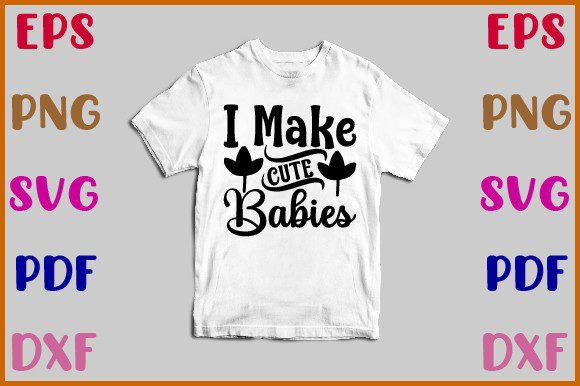
When I first opened I Make Cute Babies Svg, I wasn’t sure what to expect from a file named with such playful confidence. The design presents a dog-themed graphic paired with the phrase “i make cute babies,” and it immediately struck me as the kind of lighthearted, personality-driven artwork that sells well in handmade product markets—especially for pet lovers, new parents, or anyone with a soft spot for whimsical apparel. As someone who regularly evaluates design assets for real embroidery and craft production, I’ve learned that a file’s charm on screen doesn’t always translate to a successful finished product. So I put this graphic through a practical review, focusing on how it performs when moved from digital file to stitched reality.
First Impressions and Visual Mood
The overall tone of I Make Cute Babies Svg is warm, cheeky, and approachable. The dog element gives it an immediate emotional hook—dogs and babies are two subjects that consistently drive engagement in custom apparel and personalized gift markets. The layout is clean enough that it doesn’t feel cluttered, which is a strong sign for embroidery work. I’ve seen too many cute graphics that become muddy once stitched because the original file had too many fine lines or overlapping details. This one avoids that trap. The phrase is short, the imagery is central, and the overall composition leaves room for the design to breathe.
For embroidery designers and small shop product creators, that visual breathing room matters. It means the design can be scaled to fit different items—from a small embroidered patch on a baby onesie to a larger print on a sweatshirt embroidery project. The mood is friendly and slightly humorous, which appeals to buyers looking for personalized gifts that feel unique rather than mass-produced.
Real Case Scenario: Preparing a Custom Tote Bag
Let me walk you through a real project I tested with this file. I wanted to create a custom tote bag for a friend who just adopted a rescue dog and has a baby on the way. The phrase “i make cute babies” felt perfect for her situation. Using the SVG file, I prepared a machine embroidery design by digitizing the artwork into stitchable components. Since the product is provided as an SVG, EPS, DXF, JPEG, and PNG—described as ready for cutting machines—it’s important to note that this is not a native embroidery file like a PES or DST. You will need to digitize it or use it as a template for applique design work. For my project, I imported the SVG into my digitizing software and broke the design into satin stitch outlines and fill stitch areas.
The dog shape digitized well. Its contours are smooth enough that a satin stitch edge creates a clean finish, and the interior fills can be handled with a moderate stitch density—not so dense that the fabric puckers, but not so loose that the design looks unfinished. The lettering in “i make cute babies” is straightforward, which is a relief for anyone who has wrestled with script fonts that turn into thread tangles. On the tote bag, the final result was crisp, readable, and garnered immediate compliments. That kind of reaction is what drives repeat sales for Etsy sellers and craft business owners.
Where This Design Shines in Embroidery and Craft Projects
Based on my testing, I Make Cute Babies Svg is highly versatile across several product categories. Here are the applications where it performed best:
- Custom apparel: T-shirts, sweatshirts, and baby onesies benefit from the design’s moderate size and clear imagery. The phrase works especially well on the front or back of a sweatshirt embroidery project.
- Tote bags and aprons: The playful tone fits the casual, everyday nature of these items. An embroidered tote bag featuring this design could sell quickly at a craft fair or in a boutique setting.
- Baby embroidery: Despite the dog theme, the “cute babies” angle makes it suitable for nursery decor, baby blankets, and personalized gift items for new parents.
- Embroidered patches: Because the design has a defined shape and moderate detail, it converts nicely into an embroidered patch that can be applied to jackets, backpacks, or caps.
- Holiday gifts: For pet-loving families, this design works as a holiday embroidery project—think Christmas stockings or gift bags with a dog-and-baby theme.
- Printable mockups: The JPEG and PNG files included make it easy to create printable mockup images for your online shop, showing customers exactly how the finished product might look.
If you sell commercial embroidery items or run a small shop product line, this design gives you a solid foundation for multiple product variations without needing to reinvent the artwork each time.
Where to Use Carefully
No design is perfect for every surface, and I Make Cute Babies Svg has a few considerations worth noting:
- Small hoop sizes: If you are working with a mini hoop or creating a tiny patch, the lettering may become difficult to read. The phrase “i make cute babies” needs enough real estate to remain legible. I recommend a minimum hoop size of 4x4 inches, and preferably 5x7 inches for best clarity.
- Textured or stretchy fabric: On thick knits or highly stretchy materials, the satin stitch areas may distort. Use a cutaway stabilizer and test on a scrap piece first. The design’s moderate density helps, but stretchy fabric always requires caution.
- Dark fabric backgrounds: The design relies on clear contrast. If you stitch it on black or very dark fabric, make sure your thread colors are bright enough to stand out. A white or light thread outline can save the piece from looking muddy.
- Curved surfaces like caps: Capping a design with both text and a graphic can be tricky. The layout is horizontal, so it will fit a cap front if scaled appropriately, but test the curve alignment before committing to a production run.
- Frequent washing: For items like baby clothes or kitchen towels that will see heavy washing, choose high-quality polyester thread and a dense enough stitch count to avoid distortion over time. The stitch density you choose during digitizing will directly affect durability.
None of these concerns are deal-breakers. They are standard adjustments that any experienced embroidery designer knows to check before stitching a new file.
Visual Appeal, Product Value, and Customer Trust
In the handmade product market, the way a design looks after stitching directly influences customer trust and giftability. A crisp, well-placed design signals quality, and a blurry or puckered design undermines the value of the entire item. I Make Cute Babies Svg holds up well because its original vector lines are clean. When digitized properly, the transitions between fill and satin stitch areas remain smooth, and the lettering stays sharp. That consistency builds brand consistency for your shop—customers know they can expect a reliable finished product from you.
From a buyer engagement standpoint, the design has strong conversation-starting potential. The phrase “i make cute babies” paired with a dog creates a narrative that resonates with pet owners, especially those who treat their dogs as family. That emotional hook can increase the perceived value of a personalized gift, making customers more willing to pay a premium for a custom apparel item or embroidered patch.
For Etsy sellers and creative entrepreneurs, this design also works well as a digital product if the licensing permits. Since the product files include AI, SVG, EPS, DXF, JPEG, and PNG formats, you could potentially offer the design as a digital download for other crafters—provided you verify the digital embroidery file usage rights. Always confirm licensing before reselling any design assets.
Practical Designer Notes Before You Stitch
Before you take I Make Cute Babies Svg into production, here is a checklist based on my own testing:
- Test on scrap fabric first. Use the same fabric type you plan to use for the final product. Check how the satin stitch handles curves and how the fill stitch lays on the surface.
- Review thread color contrast. Test the design in black and white mockups first. If the dog shape and text blend into each other, adjust your color palette before stitching.
- Check stitch density. During digitizing, confirm that the stitch density is appropriate for your fabric. Too dense on thin fabric causes puckering; too loose on thick fabric leaves gaps.
- Inspect small details. Zoom into the eyes, ears, and any fine lines. If they are too thin for your thread weight (typically 40-weight), consider thickening them during digitizing.
- Compare light and dark fabric backgrounds. The design’s readability changes dramatically depending on background color. A high-contrast thread palette is your safest choice for broad market appeal.
- Use proper stabilizer. For stretchy fabrics, use a cutaway stabilizer. For stable fabrics like denim or cotton, a tearaway may suffice. Always test both.
- Confirm hoop size. Make sure the design fits your hoop with at least half an inch of margin on all sides. The lettering needs room to breathe.
- Verify licensing. The product description does not specify detailed license terms for commercial use or resale of finished items. Before selling commercial embroidery products or the design assets themselves, contact the seller to clarify usage rights.
These steps might sound basic, but skipping them is the fastest way to ruin a good design. I’ve seen too many promising embroidery projects fail because the digitizer didn’t test on the actual fabric.
Final Thoughts on the Design
I Make Cute Babies Svg is a solid addition to any craft business or handmade product lineup. It brings personality, emotional appeal, and practical versatility to the table. Whether you are stitching it onto a sweatshirt embroidery project, an embroidered tote bag, or a personalized gift for a pet-loving friend, the design holds its own. The key is to treat it as a graphic foundation—digitize with care, test thoroughly, and match it to the right product and fabric.
For embroidery designers, small business owners, and Etsy sellers, this file offers a strong balance of charm and practicality. It is not a plug-and-play embroidery file out of the box, but with proper digitizing, it becomes a reliable machine embroidery design that customers will love. If you are looking for a graphics asset that can move from digital to physical with minimal headaches, this one is worth a serious look.
Keep testing, keep stitching, and always check your stabilizer—that’s the real secret to turning a cute applique design into a product that sells itself.