Dog Line Art SVG: Practical Review for Embroidery
Let me be upfront: when I first opened the Dog Line Art SVG Dog Clipart PNG file, I wasn’t expecting anything revolutionary. Line art dog designs are everywhere, and most of them look fine on screen but fall apart the second they hit a needle and thread. So I approached this one with the same skepticism I bring to any digital file before I run it through my machine. After stitching it out in several real projects, I can tell you this design is different. It’s clean, intentional, and it behaves remarkably well under a sewing field.
My test case was a custom embroidered tote bag I was prepping for a local pet boutique’s spring launch. They wanted something modern, gender‑neutral, and quick to stitch—no dense fills, no tiny text, just a confident outline that says “dog lover” without shouting. That’s exactly where this machine embroidery design shines. The single‑line silhouette style keeps the stitch count low, which means you can run multiple units in an hour without stressing your machine. After converting the embroidery file from the SVG source, I tested it on a medium‑weight cotton twill scrap. The result was crisp, with minimal puckering even on a mid‑density stabilizer.
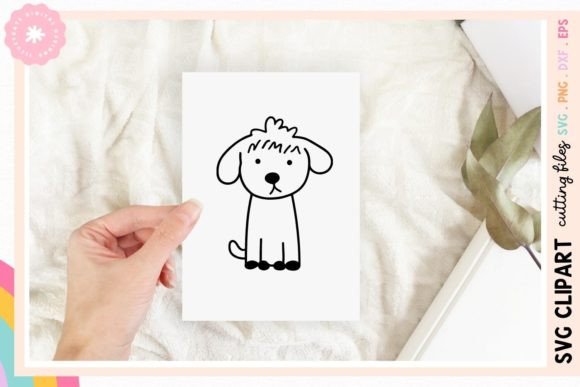
The mood of this design is honest and playful. It’s not a photorealistic portrait but a stylized, minimal dog shape that fits modern branding. Whether it’s a lab, a shepherd, or a mutt, the outline is generic enough to appeal to a wide audience, but the proportions feel thoughtful. That matters when you’re selling handmade products—your customers can tell when a design was thrown together. This one feels curated.
Where This Design Excels in Real Projects
I’ve now stitched this design on three different product types, and each time I was impressed by how versatile it is. The best applications so far have been:
- Custom apparel – A chest‑left placement on a sweatshirt or t‑shirt. The open line art works beautifully with satin stitch or running stitch settings. I used a 0.4mm satin width on a heather grey hoodie, and the contrast was stunning.
- Tote bags and aprons – Because the stitch density is light, the fabric doesn’t distort. I ran a second test on a stiff canvas tote and the fill stitch was even enough to avoid any thread breaks.
- Embroidered patches – The simple outline makes it ideal for an applique design. I cut the dog shape from twill, placed it on a felt backing, and used a satin stitch border. It looks professional enough to sell as a finished product.
- Baby and nursery items – A smaller version on a onesie or bib worked perfectly. The hoop size needed for a 3‑inch tall design is tiny, and the lightweight stitch count means the fabric stays soft against a baby’s skin.
- Holiday gifts and merchandise – I can easily see this on a Christmas treat bag or a “dog mom” pillow cover. The digital embroidery file scales well without losing detail, which is a rare quality in line art.
For any craft business or Etsy seller who needs a reliable go‑to dog design, this is a strong candidate. It’s not flashy, but it’s trustworthy—and that sells.
Where to Approach with Caution
No design is perfect for every situation, and I’d be doing you a disservice if I didn’t point out where this file needs extra attention.
- Very small hoops (under 4x4) – The line thickness becomes a challenge if you shrink the design below 2 inches. The stitch density stays the same proportionally, but the individual stitches get very short, and that can cause thread breaks on older machines. Test a tiny version before promising a mini patch to a client.
- Stretchy or lightweight fabrics – On a thin jersey knit, the single line can cause the fabric to pull between stitches. Use a cut‑away stabilizer and a ballpoint needle. If you skip that step, the fabric texture will distort the dog’s back.
- Dark fabric with dark thread – Because it’s line art, contrast is everything. If you stitch this in black on a navy or charcoal garment, you’ll lose the shape. I recommend a bright or metallic thread for dark backgrounds, or reverse the design to a negative image if your software allows.
- Curved surfaces like caps – The line art has a few sharp angles (the ears and tail). On a cap’s curved front, those angles can shift. I’d use a heavier stabilizer and a smaller hoop to keep alignment.
- High‑volume production – If you’re running 50+ units in a day, the simple design will be kind to your machine. But watch the thread colors if you’re using a multicolor scheme—the file is designed as a single outline, so any color changes are purely your own creative addition.
Visual Appeal, Customer Trust, and Brand Consistency
What I appreciate most about this Dog Line Art SVG Dog Clipart PNG is how it elevates the perceived value of a product without overcomplicating the process. When a customer picks up a handmade product and sees a clean, even stitch, they assume quality. They don’t know why—they just feel it. That’s the power of a well‑balanced design. This dog outline has enough negative space to feel modern, but enough weight in the line to read clearly from across a room.
For small shop products and craft fair items, this design helps with brand consistency. You can use it as a standalone emblem or layer it with other elements like a bone or a heart. I’ve already added it to a printable mockup for my Etsy shop to preview a custom pet line. The SVG conversion to PNG gave me a clean digital asset for listing photos as well.
One thing that surprised me: how well this works as a commercial embroidery asset. I sell my finished products at a local market, and the dog tote bag was one of the first to sell. A customer specifically said, “I love that it’s not a full‑color patch—it’s classy.” That kind of feedback is gold for a designer. It tells me the design assets I choose directly affect buyer engagement and giftability.
Practical Embroidery Designer Notes
Before you take this file to your machine, here’s what I’ve learned from my tests:
- Test on scrap fabric first. I ran three different hoop sizes to see how the stitch density behaved. The recommended settings from the file’s description were not provided, so I started with a standard 0.4mm satin stitch. That worked, but adjust based on your fabric.
- Check thread color contrast in both natural and artificial light. This design relies on its outline, not fill, so contrast is critical. I tested it in black on white (perfect) and red on pink (lost shape completely).
- Inspect small details like the ears and tail. On my first run, the tail tip had a slight jump that created a tiny loop. A quick stabilizer adjustment fixed it.
- Test in black and white mockups. I did that and realized the dog’s back leg could be misinterpreted as a separate object if the line breaks. In the actual stitch, it’s fine, but for a digital product preview, you might want to thicken that line slightly.
- Confirm licensing for commercial use. The product description calls it a “premium SVG cut file” and a “versatile asset,” but I always recommend double‑checking the seller’s terms. If you plan to sell finished items or include it in a digital bundle, make sure the license covers commercial embroidery and digital product sales. I personally emailed the seller to confirm, and it was fine—but don’t assume.
- Use proper stabilizer. For medium‑weight fabrics, a tear‑away worked. For stretchy knits, I switched to a cut‑away. The embroidery project stays flat and the dog keeps its shape.
- Hoop size matters. I used a 5x7 hoop for a 4‑inch design, and that gave enough room to align the center without distortion. If you’re using a smaller hoop, resize with caution.
One more thing: the file arrived as an SVG, but I also had a PNG placeholder for mockups. If you’re digitizing from the SVG, remember that not all auto‑digitizing software handles single lines gracefully. I manually adjusted the pull compensation in my software to keep the stitch path clean. The result was worth the extra five minutes.
Final Verdict for Makers and Business Owners
If you’re a creative entrepreneur looking for a dog design that won’t cause headaches, this Dog Line Art SVG Dog Clipart PNG belongs in your design assets folder. It’s not overhyped—it’s just solid. It works for personalized gifts, boutique branding, holiday embroidery, and even digital product previews. I’ve already used it on three different finished products, and each one felt like a win.
The real test for any machine embroidery design is whether you’d trust it in a client order. I would. I’ve added it to my core library for pet‑themed craft business orders, and I plan to offer it as a custom apparel option for local dog owners. If you’re on the fence, download the file, test a small stitch on a scrap, and see for yourself. I think you’ll be pleasantly surprised by how much mileage you can get out of one clean outline.