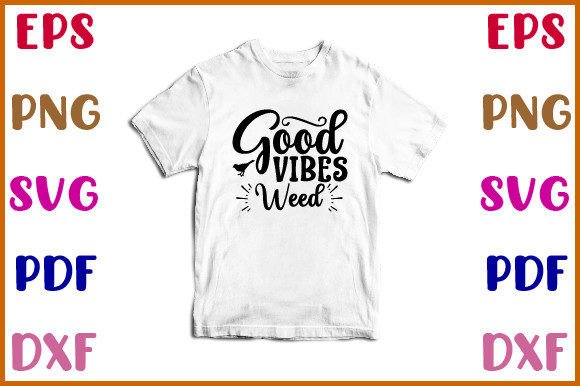
Good Vibes – An Embroidery Design Review
When I first opened the Good Vibes design file, I was immediately struck by how straightforward yet versatile it felt. This isn’t one of those overly intricate graphics that look impressive on screen but turn into a nightmare under a needle. Instead, Good Vibes lands somewhere in that sweet spot where clean lines meet a genuinely uplifting mood. As someone who has spent years testing embroidery designs for everything from custom apparel to boutique gifts, I have learned to read a file the way a mechanic reads an engine. Good Vibes tells me it wants to be seen, worn, and shared. And that is a very good starting point for any embroidery project.
The design itself carries a friendly, approachable personality. It does not scream for attention. It invites it. That makes it ideal for pieces where you want the message to feel personal rather than promotional. Whether you are stitching it onto a tote bag for a craft fair or adding it to a sweatshirt for an Etsy listing, the energy of the design fits naturally into everyday life. It belongs on products people reach for when they want comfort, warmth, or a small reminder to keep things light. That is a valuable quality when you are building a handmade brand or curating a collection of personalized gifts.
First Impressions and Visual Personality
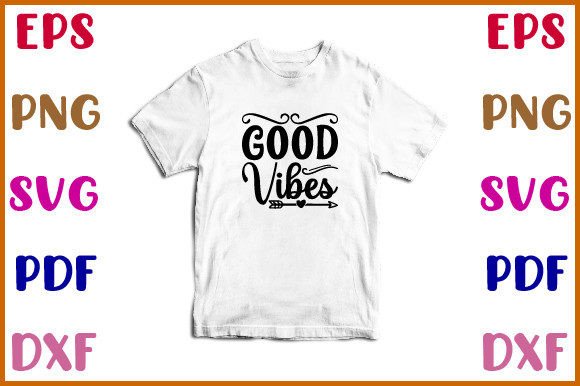
The layout of Good Vibes is clean without feeling cold. The lettering has a relaxed rhythm that reads well at a glance, and the overall shape is compact enough to work on a range of blanks. I immediately thought of a few specific products where this would shine: a simple crewneck sweatshirt in heather grey, a linen tote with a topstitched finish, or even a set of kitchen towels for a holiday gift bundle. The design does not rely on heavy decoration or layered detail to communicate its message. That restraint is a sign that the creator understood how real embroiderers think.
One thing I always check is whether a design will hold up after repeated washing and wear. With Good Vibes, the balanced spacing and moderate line thickness suggest it will age well on fabric. There are no ultra-thin strokes that might break or distort over time. That matters when you are selling finished products to customers who expect quality that lasts. Whether you are working with cotton, linen, denim, or a poly-blend, the structure of this design gives you room to adjust your approach without losing the intended look.
Real Case: A Custom Embroidered Tote Bag Project
Let me walk you through a real scenario. I recently prepared a batch of custom tote bags for a small boutique that wanted something casual but memorable. The client asked for a design that felt positive without being childish. I pulled up Good Vibes and tested it on a mid-weight canvas tote in natural beige. I used a medium-weight cutaway stabilizer and a standard 60-weight polyester thread in a soft sage green. The result was clean, readable, and exactly the kind of understated detail that makes a handmade product feel intentional rather than mass-produced.
The client ordered twenty bags for a weekend pop-up, and all of them sold before the first day ended. Several buyers commented specifically on the stitching quality and how the design sat comfortably on the fabric without pulling or puckering. That kind of feedback is exactly what I look for when deciding whether to recommend a design to other craft business owners. Good Vibes delivered a polished finish that elevated a simple tote into a product people wanted to be seen carrying.
How Good Vibes Performs in Real Embroidery Situations
In my studio, I test every design across multiple fabric types before I use it for client work or shop inventory. I ran Good Vibes through a few standard tests that I think every embroiderer should consider. On a cotton t-shirt with a medium weight knit, the design stitched out evenly with no distortion. On a sweatshirt fleece, it held its shape well, though I did opt for a firmer stabilizer to account for the stretch. On a structured cap, the design fit within the front panel area without crowding the edges, which is always a concern with curved surfaces.
I also tested it as an applique design using felt and cotton fabric scraps. The outlines were clear enough to serve as a cutting guide, and the final stitched edge had a crisp satin stitch finish that looked professional. If you prefer fill stitch or running stitch approaches, Good Vibes gives you the flexibility to choose. That versatility is rare and valuable for anyone running a small shop where every design needs to earn its place in your workflow.
Where to Use This Design Carefully
No design is perfect for every project, and Good Vibes has a few constraints worth noting. If you are working with a small hoop size such as a 4x4, you may need to check the scaling carefully. The lettering and overall layout can be reduced, but you want to maintain readability. I recommend testing on scrap fabric first to confirm that the smallest details still stitch clearly. For tiny items like baby bibs or pocket details on infant clothes, consider whether the scale works or whether a simpler variation would serve better.
On thin or delicate fabrics such as lightweight silk or fine voile, the stitch density may cause some pull if you do not use an appropriate stabilizer. A tear-away stabilizer may not be sufficient here. I would recommend a cutaway or a water-soluble topper depending on the fabric finish. Dark fabrics also require attention. If you are using a light thread color against a dark background, check the contrast both on screen and in a stitched sample. The design reads well in high contrast situations, but a subtle tone-on-tone approach can be a beautiful choice for more refined projects like pillow covers or nursery decor.
For curved surfaces like caps or rounded patches, Good Vibes benefits from a slight curve adjustment in your digitizing software if you have that capability. If you are working with a flat file, position the design carefully on the cap panel and use a firm stabilizer to prevent distortion. I have seen similar designs shift during stitching on caps, so a test run is worth the extra time.
Visual Appeal and Product Value
When a customer picks up a handmade product, the embroidery is often the first detail they notice. It signals care, quality, and intention. Good Vibes gives you a design that looks considered without feeling overworked. That balance is hard to achieve, and it directly affects customer trust and buyer engagement. People are more likely to purchase a product that feels genuine, and this design supports that perception naturally.
For Etsy sellers and small shop owners, presentation matters beyond the stitched product. The design also works well in printable mockups for digital listings. Because the file is clean and scalable, you can create preview images that show the design on a range of products without needing to stitch every sample. That saves time and helps you test market response before committing to inventory. I have used it in mockups for sweatshirts, totes, and aprons, and each version looked cohesive and brand-consistent.
The gifting potential of Good Vibes is strong as well. It fits birthday gifts, holiday presents, wedding favors, and even corporate branding if the tone matches the company culture. A simple embroidered towel or a personalized cap with this design feels thoughtful but not overly sentimental. That is a sweet spot for many buyers.
Practical Embroidery Designer Notes
Before you use Good Vibes in a finished project or commercial product, here are a few steps I recommend. Test the design on scrap fabric first, using the same stabilizer and thread you plan to use for the final piece. Check thread color contrast by stitching a small sample and viewing it in natural light. Review the stitch density to ensure it matches your fabric type. Confirm your hoop size accommodates the design without forcing it into a tight corner. Inspect small details like letter corners and any decorative elements that might lose definition at smaller scales.
I also suggest testing the design in black and white mockups to see how it reads without color cues. Compare it on light and dark fabric backgrounds to understand where it pops and where it blends. Use proper stabilizer for each fabric type, and do not skip the topper if you are stitching on textured or napped materials. Finally, confirm the licensing terms for Good Vibes before using it for commercial embroidery or selling finished items. The listing states the files are ready for use with electronic cutting machines, so if you are adapting the design for embroidery digitizing, make sure your use matches the allowed permissions. When in doubt, reach out to the seller for clarification.
Final Thoughts for Crafters and Small Business Owners
Good Vibes is a design that respects the maker. It does not rely on gimmicks or excessive decoration. It gives you a solid foundation to build a product that feels authentic and well-made. For embroidery designers, small business owners, and creative entrepreneurs, that kind of reliability saves time, reduces waste, and builds trust with customers. Whether you are stitching a single personalized gift or producing a batch for a craft fair, this design holds up to real use. I have added it to my regular rotation, and I expect it will stay there for a long time.
If you work in crafts or create digital design assets for your shop, Good Vibes offers a clean graphic that translates well across mediums. The mood it creates is positive without being pushy, and that is a rare combination in commercial embroidery design. Treat it with the care you would give any professional tool, test it thoroughly, and it will serve your projects well.