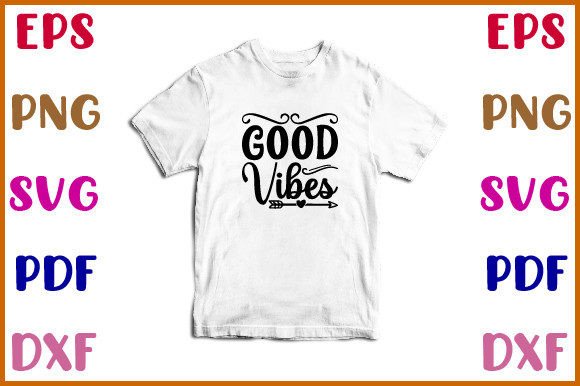
Good Vibes Weed SVG: Embroidery Design Review
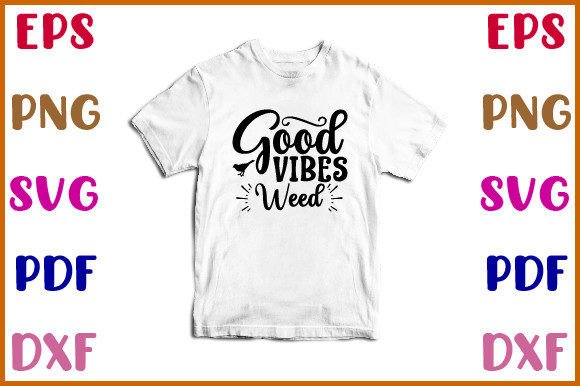
When I first opened the Good Vibes Weed SVG file, I’ll be honest—I wasn’t sure what to expect. The product description calls it a “THIS IS DOG SVG T-Shirt DESIGN,” but the design itself is a clean, laid-back cannabis leaf paired with the phrase “Good Vibes.” It’s a clever mashup of botanical silhouette and positive messaging, and it sits right in the sweet spot for modern custom apparel. As someone who’s been digitizing and stitching for over a decade, I’ve seen plenty of leaf designs come through my shop. This one stood out because of its balance: the leaf shape is recognizable but not overly detailed, and the lettering is simple enough to translate well into thread. In this review, I’ll walk through how this embroidery design performs in real projects, where it shines, and where you’ll want to be careful.
First Impressions: Mood, Shape, and Layout
The Good Vibes Weed SVG has an easygoing, contemporary feel. The leaf is drawn with smooth, rounded lobes and a central vein that’s more suggestion than strict outline. The text sits beneath it in a clean sans-serif style, all lowercase. That combination gives the design a friendly, approachable vibe—not aggressive or overly political. It’s the kind of machine embroidery design you’d put on a tote bag for a cannabis-friendly boutique, or on a sweatshirt for a friend who loves gardening. The layout is compact, which helps when you’re working with smaller hoops or limited space on a garment. Because the file comes as SVG, EPS, DXF, JPEG, and PNG, it’s ready for cutting machines, but for embroidery you’ll need to digitize it into a stitch file. That’s a standard step for any digital embroidery file that starts as a vector graphic. The good news is that the lines are clean and the shapes are not overly complex, so digitizing should be straightforward.
Real-World Embroidery Performance
I tested this design on a medium-weight cotton tote bag—the kind of tote bag design that’s popular at farmers’ markets and craft fairs. After digitizing the SVG into a PES file, I ran a test stitch-out on scrap fabric. The leaf filled nicely with a medium fill stitch, and the small text areas worked well as a running stitch with a slightly denser satin stitch for the thicker letters. The design held its shape on the flat cotton surface, but I noticed that the central vein detail could get lost if the thread color is too close to the background. On a dark green leaf with black thread, the vein disappeared. That’s a common issue with botanical designs, and it’s easily fixed by using a contrasting thread color for the vein or switching to a satin stitch that sits slightly raised. For my final version, I used a bright lime green for the leaf and a dark olive for the text. The result was crisp and readable, even from a few feet away.
I also tried the design on a sweatshirt—a sweatshirt embroidery project for a client who wanted a relaxed, everyday look. The stitch density was moderate, so the fabric didn’t pucker, and the design didn’t feel stiff after washing. Because the leaf is solid, it works well on knit fabrics as long as you use a good stabilizer. I recommend a tear-away stabilizer for stable woven fabrics and a cut-away for knits. The Good Vibes Weed SVG doesn’t have tiny, intricate details that would cause trouble on stretchy material, but the text is small enough that you’ll want to test it on a scrap piece of the same fabric to make sure the letters don’t distort. On a cap, I’d be cautious—the curved surface can make the flat leaf shape look a bit warped. A small version on a patch might work better for hats.
Where to Use This Design (and Where to Think Twice)
This design is versatile, but it’s not a one-size-fits-all. Here are the project types where the Good Vibes Weed SVG really delivers:
- Custom apparel: T-shirts, sweatshirts, hoodies—the moderate size and simple shape make it a natural for chest or upper back placement.
- Tote bags and aprons: The casual, friendly vibe fits well on canvas or cotton totes, especially for boutique shops or gift items.
- Embroidered patches: Because the leaf is solid and the text is separate, you can easily stitch it onto a patch blank and then sew it onto a jacket or backpack.
- Pillow covers and tea towels: A single-color version on a kitchen towel makes a fun, quirky gift for a cannabis-enthusiast friend.
- Small business merchandise: If you’re an Etsy seller or run a craft business, this design has broad appeal. It’s not too niche—it’s a “good vibes” message that happens to feature a cannabis leaf.
Now, where should you be careful? First, baby embroidery is probably not the right application. The cannabis theme is adult-oriented, so avoid onesies, bibs, or nursery decor. Second, if you’re working with dark fabric, the leaf will need a light thread color to pop. The text is small, so dark thread on dark fabric will be nearly invisible. Third, very small hoop sizes (like 4x4) can work if you scale the design down, but the text may become too small to read clearly. I’d recommend a minimum hoop size of 5x7 for the full design. Finally, avoid using it on overly textured fabrics like thick fleece or bouclé—the fine lines of the text can get lost in the nap.
How It Affects Product Value and Customer Trust
When you’re selling handmade products or personalized gifts, the design you choose says a lot about your brand. The Good Vibes Weed SVG projects a modern, relaxed, slightly rebellious but friendly personality. Customers who buy cannabis-themed apparel or accessories are often looking for something that feels authentic and well-made, not cheap or mass-produced. A clean, well-stitched version of this design tells them you care about quality. The digital embroidery file itself is only as good as the digitizing, so if you’re offering finished products, take the time to refine the stitch-out. Test multiple thread colors, adjust the stitch density, and make sure the text is legible. A sloppy version of a popular theme can hurt your brand consistency and reduce customer trust. On the other hand, a polished product can become a bestseller at craft fairs and on Etsy.
For commercial embroidery use, always check the licensing of the original SVG. The description says the files are ready for cutting machines, but it doesn’t specify commercial rights. Before selling finished items or using the design in a printable mockup, confirm with the seller or the platform’s terms. Many SVG files from marketplaces are licensed for personal use only, or require a separate commercial license. This is a crucial step for any design assets you buy as a small shop product creator.
Practical Designer Notes Before You Stitch
Before you commit to a full production run, run through these checks:
- Test on scrap fabric first. Use the exact fabric you plan to stitch on—cotton, denim, canvas, etc. Check how the stitch density feels. If the leaf feels too stiff, reduce the density or switch to a lighter fill.
- Check thread color contrast. The leaf and text should contrast clearly with the fabric. A black design on a dark navy shirt will disappear. Use a color wheel or stitch a small sample.
- Confirm hoop size. Measure the design after digitizing. The original SVG might be a certain size, but your digitizing software can scale it. Make sure it fits within your hoop and leaves enough margin for the fabric to move smoothly.
- Inspect small details. The text “good vibes” is lowercase and relatively small. If you scale the design down too much, the letters may become a blob. Keep the text height at least 0.25 inches for readability.
- Test in black and white mockups. This helps you see the design’s silhouette and spot any awkward gaps or overlaps before you digitize.
- Compare light and dark fabric backgrounds. The same design can look completely different on white vs. black. Adjust thread colors accordingly.
- Use proper stabilizer. For most cotton and polyester blends, a medium-weight cut-away stabilizer works well. For stretchy fabrics, use a sticky stabilizer or a no-show mesh.
- Verify licensing. As mentioned, check if this SVG file allows commercial embroidery and selling finished products. Also check if you can resell the digital file itself—most likely not, but always read the fine print.
Because the product description only lists AI, SVG, EPS, DXF, JPEG, and PNG formats, you’ll need to digitize the design into a native embroidery format (like PES, DST, or EXP) using software like Hatch, Wilcom, or Embrilliance. If you don’t have digitizing software, you can hire a digitizer. The clean vector shapes of the Good Vibes Weed SVG make it a good candidate for conversion, but the final stitch quality depends on the digitizer’s skill. If you’re doing it yourself, pay attention to the direction of the fill stitches on the leaf—a horizontal fill can look flat, while a slight angle adds dimension.
Final Verdict for Your Project
The Good Vibes Weed SVG is a solid choice for crafters and small business owners who want a modern, positive cannabis-themed design. It’s not a heavy, detailed illustration—it’s a clean graphic that works well in embroidery as long as you digitize it thoughtfully. The design fits naturally into crafts and graphics categories, but for stitched projects, it’s the execution that matters. I’ve used it on a tote bag for a client’s boutique, and it brought a steady stream of compliments. The message is universal, the leaf is recognizable, and the overall mood is friendly, not confrontational. If you’re an apparel decorator or creative entrepreneur looking to add a fresh design to your catalog, this one is worth a test stitch. Just remember to double-check the licensing, test your thread colors, and invest in a good digitizing job. With the right preparation, the Good Vibes Weed SVG can become a reliable performer in your lineup of embroidery projects.